The Political Journey of Benjamin Netanyahu: An Overview
Introduction
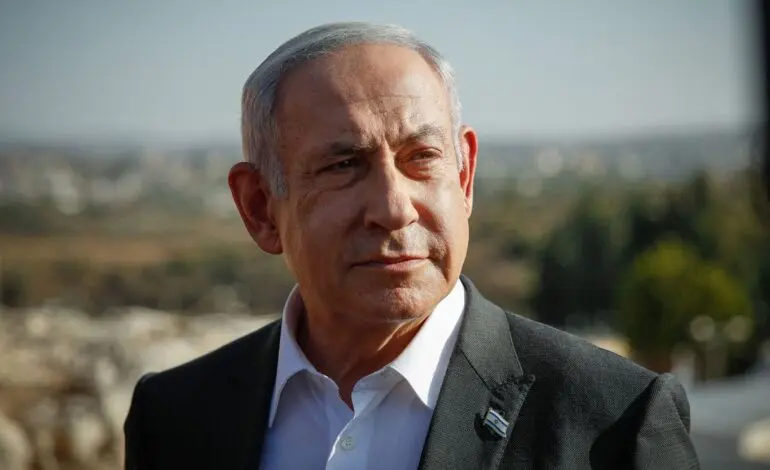
Benjamin Netanyahu, a prominent figure in Israeli politics, has been a significant player on the global stage for over three decades. As a long-serving Prime Minister, his policies and leadership style have shaped Israel’s domestic and foreign affairs, impacting the geopolitical landscape of the Middle East. Recent events related to Netanyahu’s leadership raise crucial questions about the future of Israel under his guidance and the implications for international relations.
Key Events
Netanyahu’s tenure has been marked by a series of pivotal moments, beginning with his first term in the late 1990s and continuing through his multiple re-elections. In 2021, after a prolonged political deadlock, Netanyahu faced a coalition government led by Naftali Bennett and Yair Lapid, which temporarily ousted him. However, recent elections saw him return to power, highlighting his resilience and the support he garners from Likud party constituents.
Despite his political comebacks, Netanyahu’s leadership has not been without controversy. Major events, such as the normalization of relations with several Arab countries through the Abraham Accords, showcase his foreign policy achievements. However, his handling of the Israeli-Palestinian conflict, reactions to protests over judicial reforms, and ongoing tensions with Iran continue to draw criticism, both domestically and from abroad.
Current Developments
In 2023, Netanyahu’s government has encountered challenges from within, including protests against controversial legislative changes aimed at modifying the judicial system, raising concerns over the erosion of democracy in Israel. His administration’s response has been closely watched by global leaders, reflecting the importance of Israel’s stability in a volatile region.
Conclusion
The significance of Benjamin Netanyahu’s leadership cannot be understated. As he navigates the complexities of Israeli politics and international relations, his decisions will have lasting effects. As political dynamics shift in Israel and tensions rise in the region, the actions of Netanyahu’s government will be pivotal in determining both the future of Israel and its relations with neighboring countries. For readers, understanding these developments is crucial to grasping the broader implications for global politics.