The Legacy of Jim Crow Laws in America
Introduction: The Importance of Understanding Jim Crow
The era of Jim Crow laws in the United States is a crucial chapter in the nation’s history, representing a time of systemic racial segregation and discrimination that lasted from the late 19th century until the civil rights movement of the 1960s. Understanding Jim Crow is essential, as it shaped the social, political, and cultural landscape of the country and continues to influence contemporary discussions on race and equality.
The Rise of Jim Crow
Following the Civil War and the Reconstruction era, many Southern states implemented Jim Crow laws to enforce racial segregation and disenfranchise African Americans. Beginning in the 1870s and solidified by the Plessy v. Ferguson Supreme Court decision in 1896, these laws mandated segregation in public spaces, schools, transportation, and more. The term ‘Jim Crow’ itself originated from a minstrel show character, symbolizing the derogatory representation of black Americans in popular culture.
Effects of Jim Crow
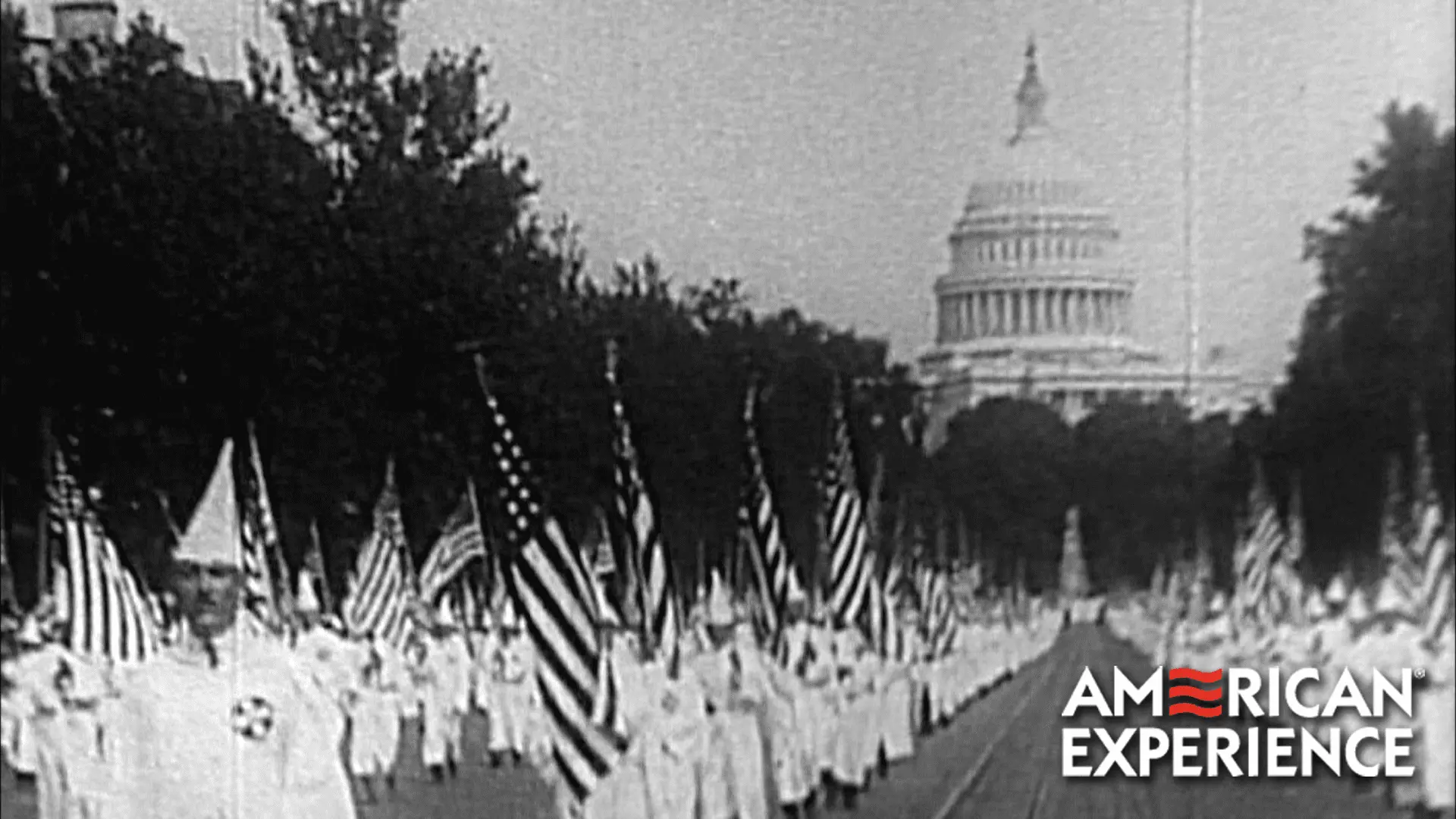
Jim Crow laws had devastating effects on African American communities, resulting in widespread disenfranchisement through literacy tests, poll taxes, and other discriminatory practices meant to suppress their voting rights. The laws created a deeply entrenched social hierarchy, where African Americans faced legal discrimination, violence, and economic hardships. Notably, the violence perpetrated by groups like the Ku Klux Klan surged during this era, enforcing white supremacy terrorizing black communities.
The Civil Rights Movement and Repeal of Jim Crow
The civil rights movement of the 1950s and 1960s was pivotal in dismantling Jim Crow laws. Activists, including notable figures such as Martin Luther King Jr., Rosa Parks, and Malcolm X, mobilized protests, boycotts, and legal challenges against segregation. Landmark legislation such as the Civil Rights Act of 1964 and the Voting Rights Act of 1965 effectively dismantled many of the oppressive Jim Crow laws, paving the way for greater equality and civil rights.
Conclusion: The Significance of Remembering Jim Crow
Though Jim Crow laws are no longer in effect, their legacy remains a critical part of American history. The impact of systemic racism and segregation still resonates today, as contemporary issues of racial inequality, discrimination, and social justice continue to unfold. Acknowledging and understanding the historical significance of Jim Crow is essential for fostering an inclusive society where the rights of all individuals are upheld. As we reflect on this dark period, it becomes evident that vigilance is necessary to ensure that the mistakes of the past are not repeated, and to support efforts in dismantling modern forms of discrimination.