The Impact of Bill Maher on Comedy and Political Discourse
Introduction
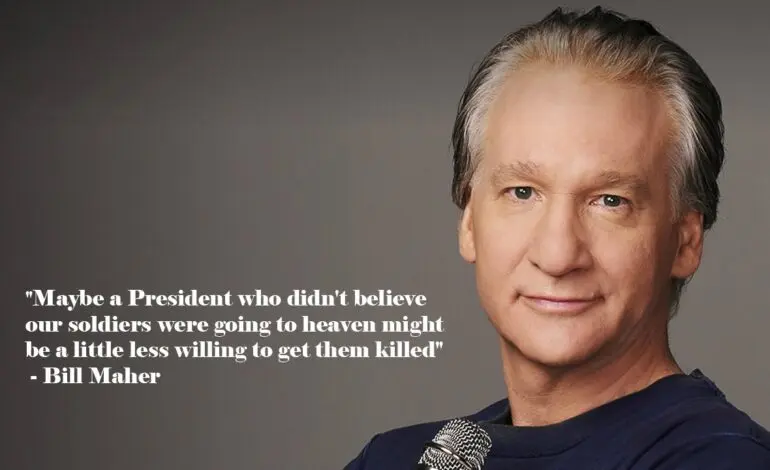
Bill Maher, the outspoken comedian and television host, remains a pivotal figure in contemporary political discourse and comedic commentary. His ability to blend humor with incisive critique has made him an influential voice in American media. With his long-running HBO show, Real Time with Bill Maher, he has delighted and outraged audiences since its inception in 2003, fostering discussions on pressing social and political issues.
The Current Landscape
Maher is known for his unapologetic style and willingness to tackle controversial topics, from climate change to free speech. Recently, Maher sparked both support and criticism for his comments on the Israel-Palestine conflict, as well as his discussions surrounding political correctness. These conversations are particularly relevant as they coincide with a heightened sensitivity around discourse in comedy and the media.
In his latest episodes, Maher has featured a diverse range of guests, including prominent politicians, authors, and activists. These guests often engage in lively debates that challenge mainstream narratives, inviting viewers to think critically about prevailing political trends. His stance on various issues—particularly during the pandemic and subsequent political tensions—has positioned him as a figure who does not shy away from difficult conversations.
A Partisan Landscape
Furthermore, Maher’s comments on the Democratic party and his critiques of liberal ideologies have drawn the ire and support of various audience segments. For instance, his statements about the necessity of a sober evaluation of policies intersecting with social justice movements have garnered mixed reactions from his fanbase. Some appreciate his willingness to challenge prevailing liberal orthodoxy, while others accuse him of siding with conservative rhetoric.
Conclusion
As Bill Maher continues to navigate the complex landscape of modern political dialogue, his impact on both comedy and serious discourse remains significant. His outspoken nature fosters a necessary debate on free speech and the responsibilities of comedians today. Looking ahead, Maher’s role is likely to evolve as cultural and political dynamics shift. His blend of humor and satire will continue to encourage audiences to engage in critical discussions, making it essential to follow his commentary, particularly as the 2024 elections approach. As an influential voice, Maher’s contributions to the discourse will likely provoke thought and challenge the status quo for years to come.