The 25th Amendment: Importance and Implications
Introduction to the 25th Amendment
The 25th Amendment to the United States Constitution, ratified in 1967, provides clear procedures for presidential succession and the handling of presidential disabilities. In recent years, its relevance in the political landscape has surged, highlighting its importance in ensuring the stability of the executive branch.
Key Provisions of the 25th Amendment
The 25th Amendment addresses three main areas: the succession of the presidency, the filling of a vice presidential vacancy, and the procedures for determining presidential incapacity. The first section outlines that if the president is removed, dies, or resigns, the vice president shall become president. The second section allows the president to nominate a new vice president if that office becomes vacant, contingent on congressional approval. The most complex aspect is the third section, which permits the vice president and a majority of the Cabinet to declare the president incapacitated and unable to perform duties, temporarily transferring power to the vice president.
Recent Applications and Discourse
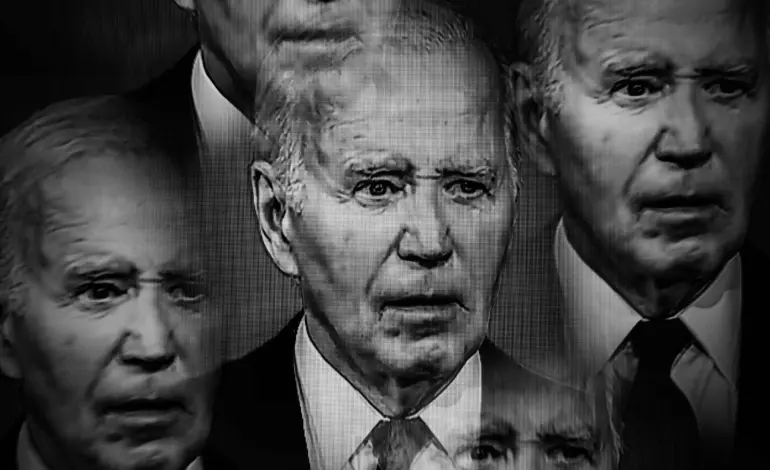
Recently, discussions around the 25th Amendment have gained prominence, especially during periods of political turmoil and health concerns among sitting presidents. Notably, during the administrations of both Donald Trump and Joe Biden, calls for invoking the amendment emerged as lawmakers and citizens expressed concerns regarding the fitness of a president to govern. These situations sparked debates about the appropriateness of using the 25th Amendment and the implications it could have for presidential power and authority.
Conclusion: The 25th Amendment’s Significance
As political tensions continue to evolve, the 25th Amendment serves as a vital tool for preserving the integrity of the U.S. presidency and ensuring governance continuity. Its role may become even more significant in future political scenarios. Understanding the provisions of the 25th Amendment is essential for citizens and legislators alike as they navigate the complexities of political leadership and address incidents that may challenge the nation’s democratic stability.