Exploring the Quran: Significance and Relevance Today
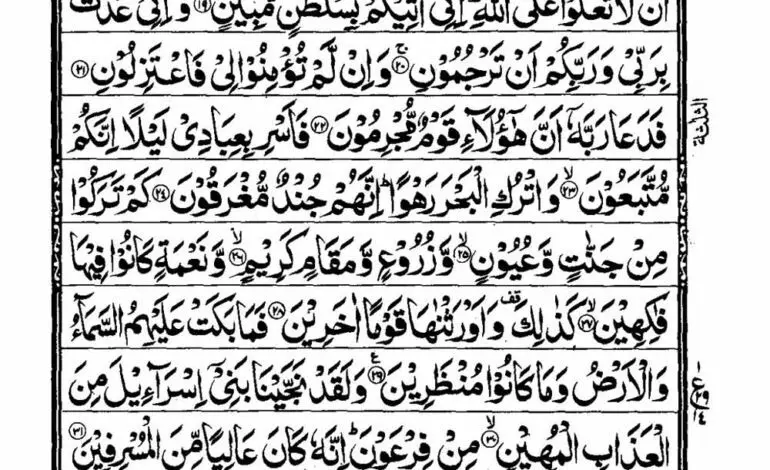
Introduction to the Quran
The Quran, the holy book of Islam, holds profound significance for over a billion Muslims worldwide. As the ultimate source of guidance, it is considered by believers to be the literal word of God (Allah), revealed to the Prophet Muhammad over 23 years. Understanding the Quran is essential for both practicing Muslims and non-Muslims alike, as it plays a vital role in shaping beliefs, practices, and ethical standards in societies around the globe.
Structure and Key Themes of the Quran
The Quran is composed of 114 chapters, known as Surahs, which vary in length and tackle various aspects of life, spirituality, and law. Each Surah contains verses called Ayahs. The main themes of the Quran include the oneness of God, social justice, morality, human responsibility, and the afterlife. The text encourages followers to reflect upon the creation, the purpose of life, and the importance of compassion and kindness towards others.
Current Events and Conversations Around the Quran
In recent years, discussions surrounding the Quran have intensified, particularly in connection with global issues such as terrorism, cultural understanding, and interfaith dialogue. Misinterpretations and selective readings of the Quran have sparked debates about its role in violent extremism, prompting many Muslim scholars and communities to advocate for a comprehensive understanding of its teachings. Organizations worldwide are working to promote education around the Quran to foster mutual respect and prevent discrimination.
The Quran in Contemporary Society
In societies where Islam plays a significant role, the Quran continues to influence laws, social norms, and individual behavior. In many regions, it serves as a source of inspiration for social justice movements, education reform, and interfaith collaboration. Recently, initiatives to translate the Quran into various languages have made its teachings more accessible to a broader audience, helping to foster a better understanding of Islamic principles.
Conclusion: The Quran’s Enduring Impact
The Quran is not just a religious text; it is a living document that impacts the lives of millions and influences societies around the world. As issues of cultural integration, religious tolerance, and ethical standards emerge in the modern era, the teachings of the Quran remain relevant. Understanding its principles can help bridge divides and promote peaceful coexistence among diverse populations. As scholars continue to engage with the Quran’s text and its context, the conversation surrounding its relevance will no doubt evolve, reflecting contemporary challenges and aspirations.