Exploring the Cultural and Economic Significance of Casablanca
Introduction
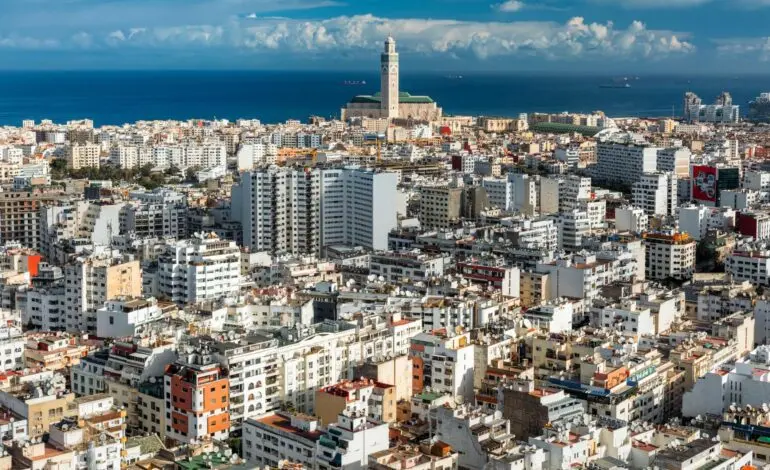
Casablanca, a vibrant port city on the Atlantic coast of Morocco, holds immense historical, cultural, and economic significance. As the largest city in the country, it serves as a key economic hub and a melting pot of diverse cultures. With its modern architecture juxtaposed against traditional Moroccan elements, Casablanca attracts countless tourists and business professionals alike. Understanding the city’s current developments and cultural richness is vital for those interested in Morocco’s socio-economic landscape.
Historical Context
Founded in the 7th century, Casablanca has a rich history characterized by colonial influences and urban evolution. The city came to international prominence through the 1942 film “Casablanca,” starring Humphrey Bogart and Ingrid Bergman, which immortalized it in popular culture. Today, the legacy of its historical past remains evident in the architectural styles and the city’s dynamic arts scene.
Economic Developments
Casablanca is Morocco’s economic powerhouse, contributing to nearly 30% of the nation’s GDP. The city hosts various key industrial sectors, including manufacturing, banking, and telecommunications. Recently, the government has invested in infrastructure projects, like the Casablanca–Settat region development plan, aimed at attracting foreign investment and boosting local employment. Moreover, the establishment of the Casablanca Finance City (CFC) has encouraged international businesses to operate in the region, ultimately enhancing its economic profile.
Cultural Significance
Culturally, Casablanca is a treasure trove of traditions, blending Arab, Berber, and French influences. The stunning Hassan II Mosque, one of the largest mosques in the world, symbolizes the city’s Islamic heritage and welcomes thousands of visitors each year. Moreover, the rich gastronomy of Casablanca, known for its vibrant markets and fusion cuisines, reflects the diverse cultural landscape, offering dishes ranging from traditional tagines to contemporary fusion fare.
Conclusion
In conclusion, Casablanca represents an essential intersection of history, culture, and economic vitality. As Morocco continues to develop its infrastructure and global business presence, the significance of Casablanca as a cultural and economic hub will only grow. For visitors and business entities alike, exploring Casablanca offers a unique glimpse into a city that beautifully balances tradition with modernity, making it a key destination in North Africa.