Current Trends Transforming the Car Industry
Introduction
The car industry is undergoing rapid transformation, influenced by technological advancements, changing consumer preferences, and global environmental challenges. As electric vehicles (EVs) and autonomous driving technology gain traction, understanding these trends becomes crucial for consumers, manufacturers, and policymakers alike. The importance of staying informed on these shifts cannot be overstated, as they promise to redefine personal mobility in the coming years.
Shift Towards Electric Vehicles
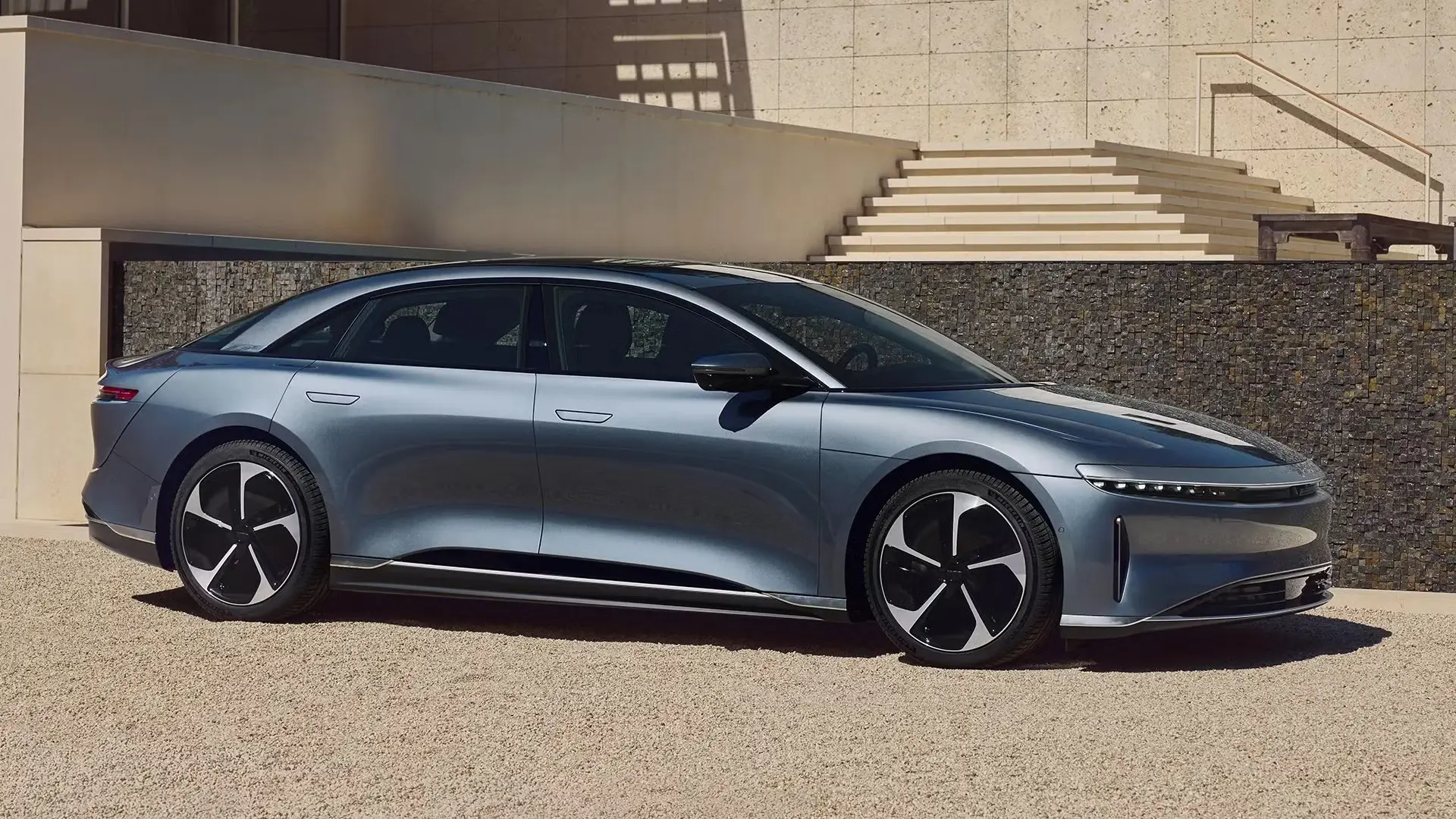
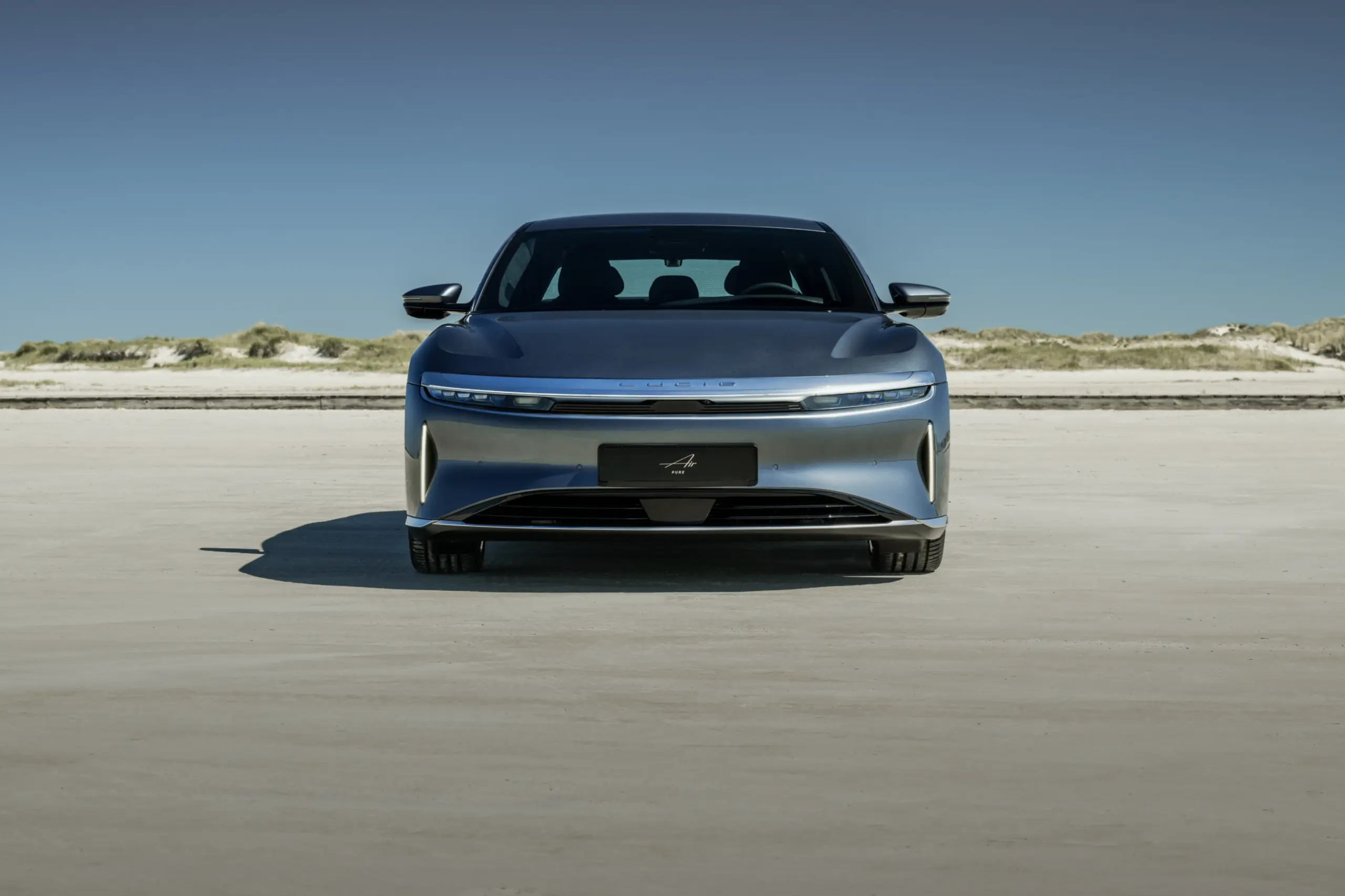
One of the most significant trends in the car industry is the shift towards electric vehicles. Major manufacturers such as Tesla, Ford, and General Motors are heavily investing in EV technology, prompted by increasing regulatory pressure to reduce carbon emissions and growing consumer demand for sustainable options. According to a report from the International Energy Agency, global electric car sales reached 6.6 million units in 2021, a 108% increase from 2020, indicating a strong upward trajectory.
Autonomous Driving Technology
Another pivotal trend is the advancement of autonomous driving technology. Companies like Waymo, Uber, and traditional automakers are racing to develop reliable self-driving capabilities. Recent developments include partnerships between tech firms and automakers to enhance safety and efficiency. According to a study by McKinsey, the autonomous vehicle market could generate $1.5 trillion in revenue by 2030, making it a focal point of innovation in the industry.
Impact of Digitalization
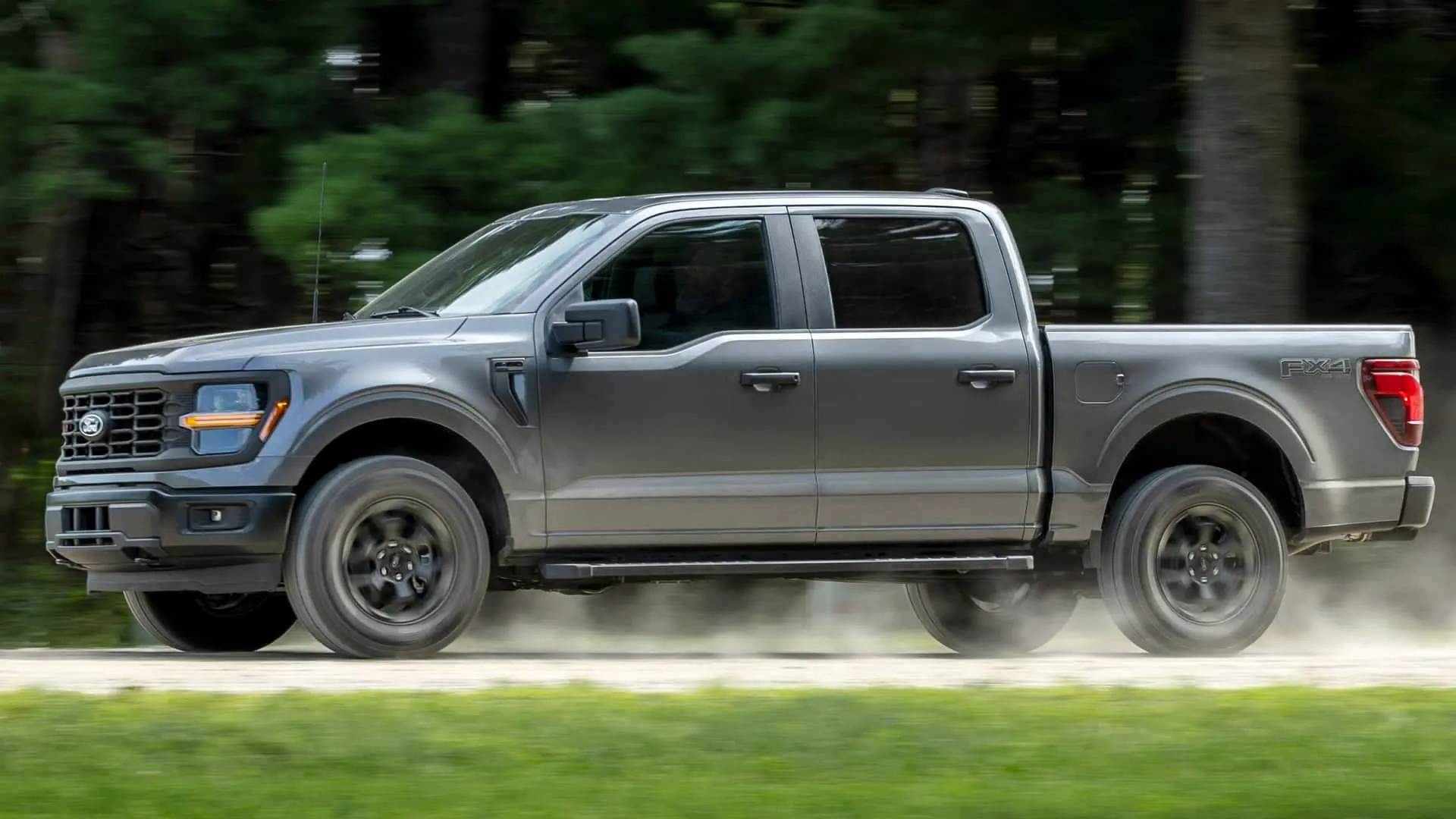
Digitalization is also changing how consumers interact with cars. Features like connectivity, in-car entertainment, and smart driving assistants are becoming essential for modern vehicles. Consumers now expect their vehicles to integrate seamlessly with their digital lives. For instance, Ford’s new SYNC system allows for advanced navigation and voice control, reflecting a trend towards smarter car experiences.
Conclusion
The car industry is in a state of flux, with electric vehicles, autonomous technology, and digital advancements shaping the future of mobility. As these trends continue to evolve, they will not only affect manufacturers but also impact consumers and global economies. Potential shifts in policy, infrastructure development for EVs, and consumer adoption rates will be critical in determining how swiftly these changes take place. For consumers, staying informed about these developments will be key in making choices about their future transportation options.