Understanding EPA Regulations on Greenhouse Gases

Introduction
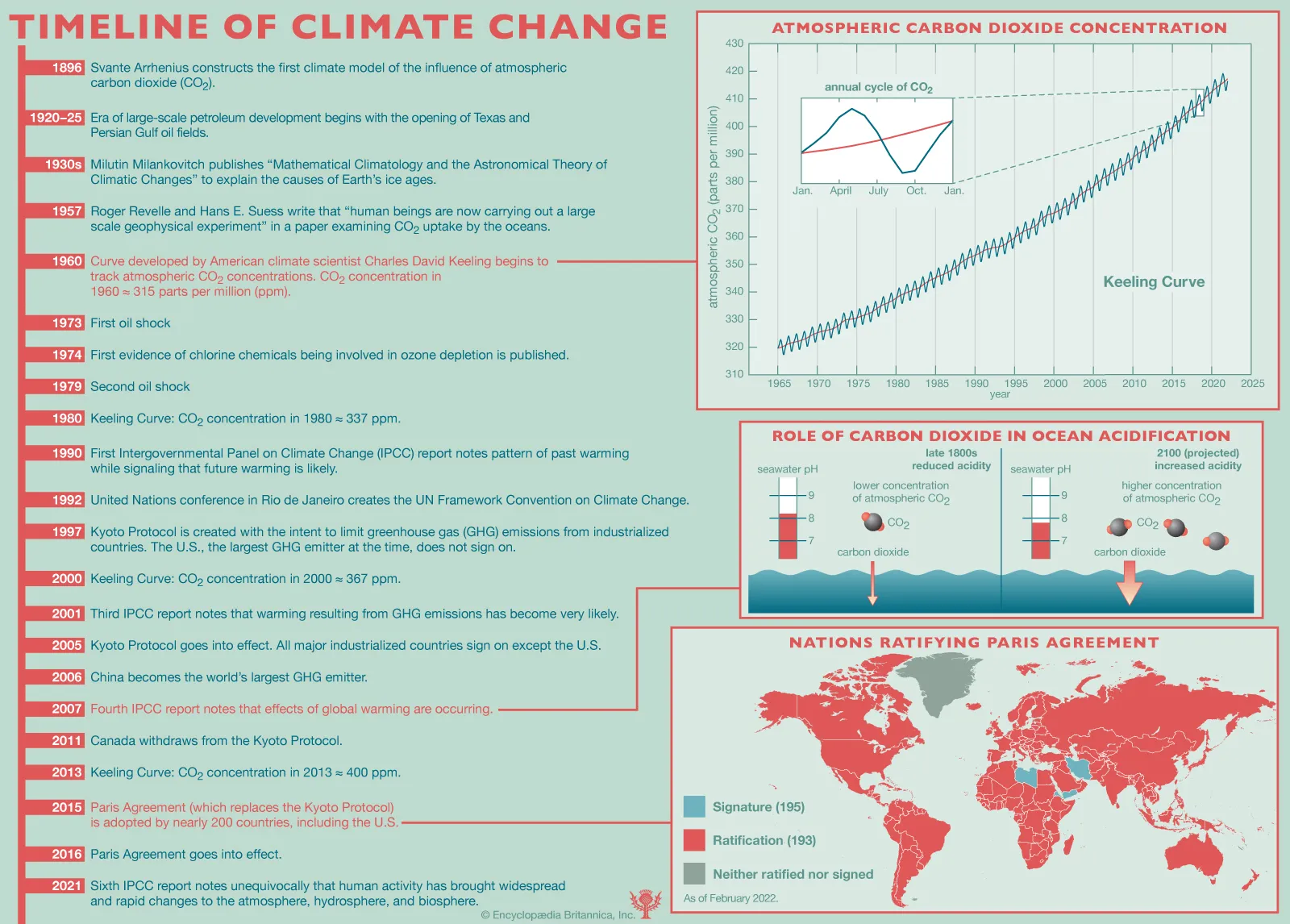
The regulation of greenhouse gases (GHGs) has become a central focus for policymakers worldwide due to the urgent need to address climate change. The Environmental Protection Agency (EPA) plays a pivotal role in establishing and enforcing rules aimed at reducing greenhouse gas emissions in the United States. These regulations are essential not only for protecting the environment but also for ensuring public health and fostering sustainable economic growth.
Recent Initiatives by the EPA
In 2023, the EPA has accelerated its efforts to combat climate change through several key initiatives. One major development is the proposed updates to the Clean Air Act, which would further limit GHG emissions from transportation and industrial sectors. These updates align with the Biden administration’s broader goal to achieve a 50-52% reduction in greenhouse gas emissions by 2030.
Additionally, the EPA has implemented new regulations targeting methane emissions, a potent greenhouse gas that significantly contributes to global warming. The agency aims to cut methane emissions from oil and gas operations, which are responsible for nearly 30% of U.S. methane emissions, with an emphasis on improving detection technology and repair protocols.
Impact on Industries and Communities
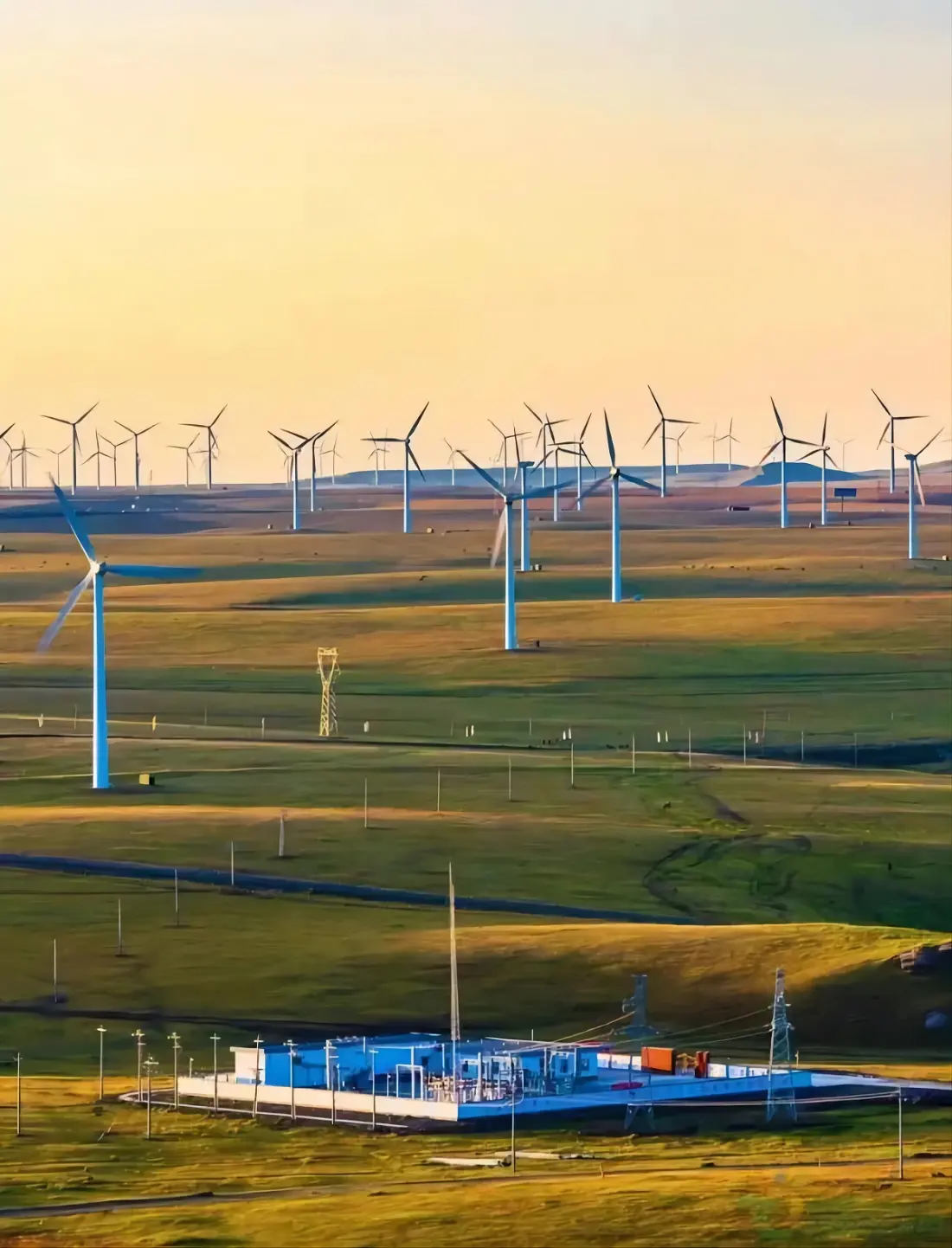
The effects of these regulations will be profound for various industries, particularly energy production, manufacturing, and agriculture. While some industries express concerns about the economic impacts of stringent regulations, many experts argue that investing in renewable energy and sustainable practices will create jobs and promote innovation in the long run.
Communities, especially those disproportionately affected by pollution, stand to benefit significantly from enhanced regulations. Cleaner air quality translates to better health outcomes, reduced healthcare costs, and improved quality of life for residents in impacted areas.
Conclusion
The EPA’s focus on regulating greenhouse gases signals a critical turn in the U.S. approach to climate change. As the agency moves forward with its initiatives, the balance between environmental responsibility and economic viability will be closely watched. Stakeholders at all levels, from government leaders to local communities, will need to engage in proactive discussions to navigate these changes effectively. The future of the planet and the well-being of its inhabitants depend on the success of these regulations in reducing greenhouse gas emissions to sustainable levels.