The Rising Concern of Sinkholes in Urban Environments
Introduction
Sinkholes are sudden ground collapses that can pose significant risks to public safety and infrastructure. These geological phenomena have garnered increased attention in recent years, especially as urban areas expand into locations that may be more susceptible to these events. Understanding the causes, effects, and preventive measures regarding sinkholes is crucial for residents and city planners alike.
What is a Sinkhole?
A sinkhole occurs when the ground beneath the surface cannot support the weight above, often due to the erosion of bedrock by water over time. This erosion creates cavities that, when large enough or subjected to additional weight, can collapse, resulting in a sudden opening in the ground. Sinkholes can vary in size from a few feet to over a hundred feet in diameter and depth.
Recent Events and Impacts
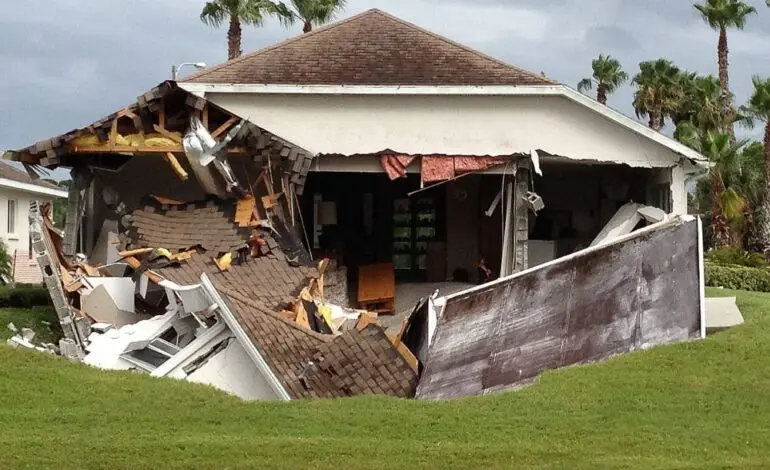
In recent weeks, notable sinkhole incidents have been reported across several states, sparking concern among local communities. For example, in Florida, a sinkhole measuring 30 feet in diameter opened up near a residential area, swallowing part of a road and leading to the evacuation of nearby homes. Similarly, in Tennessee, another significant sinkhole disrupted traffic and affected several businesses in its vicinity.
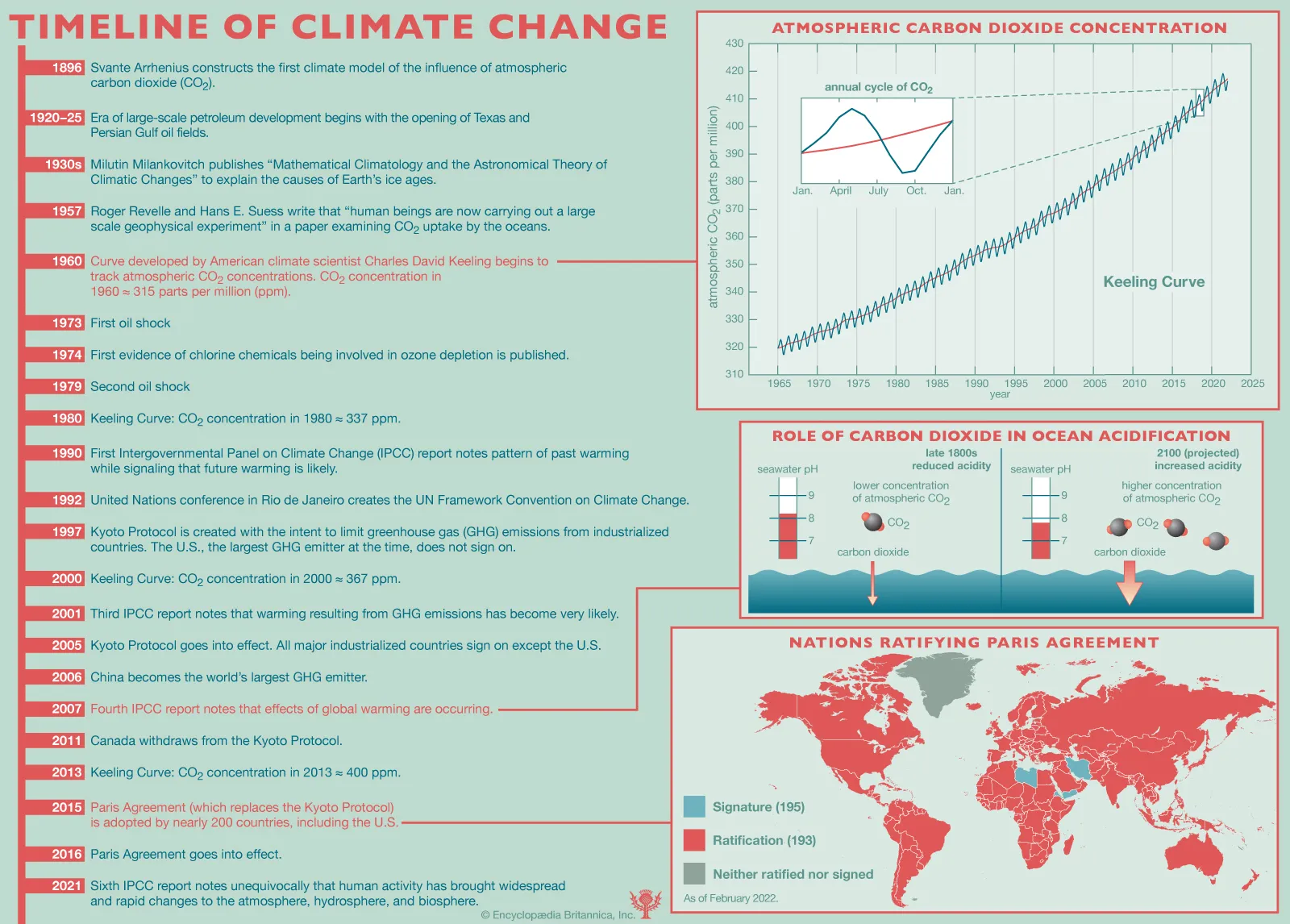
The increasing frequency of these incidents can be attributed to several factors, including heavy rainfall that exacerbates existing underground erosion, as well as urban development that alters natural water drainage patterns. Both issues are likely exacerbated by climate change, which is leading to more intense and unpredictable weather patterns.
Preventive Measures and Future Outlook
City planners and geologists are actively researching ways to better understand and mitigate the risks posed by sinkholes. Monitoring potential sinkhole areas, improving stormwater management systems, and adhering to stricter building codes in vulnerable areas are among several strategies being considered. Education is also paramount; raising awareness in communities about the signs of potential sinkhole activity can help residents stay informed and proactive.
Conclusion
Sinkholes remain a pressing issue, especially in urban environments where infrastructure and population densities are high. As climate change continues to influence weather patterns and the demand for land grows, understanding and preparing for sinkholes will be critical. The responsibility lies not just with governments, but also with communities to remain vigilant and informed about this geological danger.