Understanding Watershed 2026: A Turning Point for Our Planet

Introduction to Watershed 2026
The year 2026 is poised to be a watershed moment in global climate policy, marking a pivotal point for environmental governance and sustainability efforts. As nations grapple with the harsh realities of climate change, the commitments made and actions taken by this timeline will have far-reaching implications for future generations. Attention towards Watershed 2026 is paramount, as it shapes the trajectory toward a more sustainable world.
Current Developments Leading to 2026
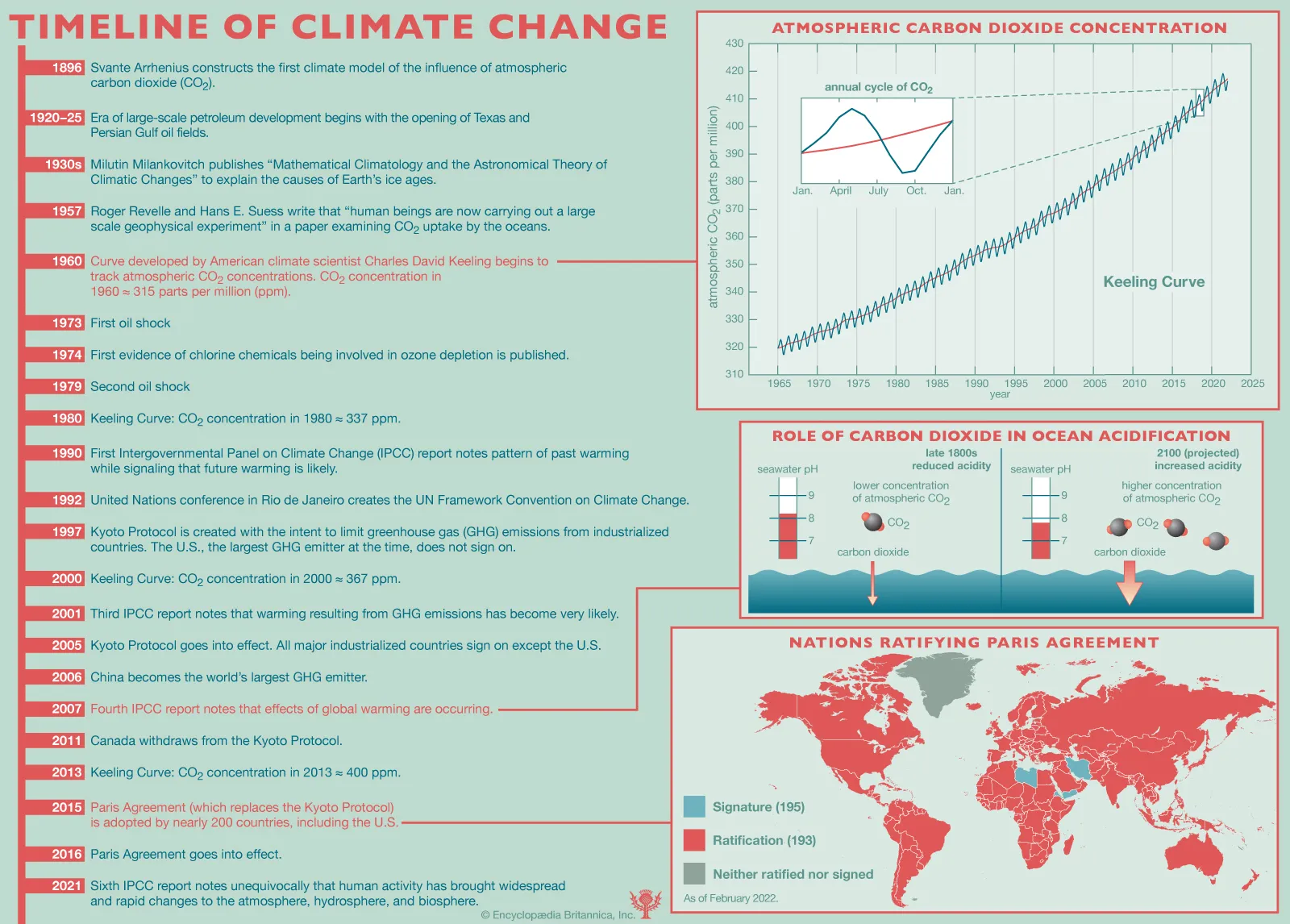
As part of the ongoing international climate agreements, the Paris Agreement set ambitious targets to limit global warming. Nations are currently in the process of submitting their Nationally Determined Contributions (NDCs), which will be evaluated critically before the 2026 UN Climate Change Conference. This gathering is expected to encourage nations to enhance their pledge to reduce carbon emissions and support green technologies.
Recent reports from the Intergovernmental Panel on Climate Change (IPCC) highlight the urgency of this situation, indicating that without immediate action, the world may surpass the critical 1.5°C temperature threshold. The urgency has led to renewed discussions at both governmental and non-governmental levels, emphasizing the need for innovative solutions and collaboration. Initiatives such as carbon pricing, renewable energy investments, and international cooperation are on the rise.
The Importance of Actions in 2026
The decisions made during and leading up to Watershed 2026 will have implications not only for climate policies but also for global economic stability, food security, and social justice. Stakeholders, including corporations, local governments, and civil societies, recognize the pressing need to contribute toward sustainable practices.
It is also imperative for nations to focus on enhancing climate resilience in vulnerable regions, particularly in developing countries that are most adversely affected by climate emergencies. By fostering sustainable practices and investing in adaptive measures, nations can derive mutual benefits.
Conclusion: The Road Ahead
As we approach Watershed 2026, the global community must hold itself accountable for its commitments to the planet. The significance of this timeline cannot be understated; it represents both a challenge and an opportunity for transformative change. Achieving the targets set forth by leaders will require cooperative action, innovation, and a collective will to tackle the pressing threats posed by climate change. The decisions made now will determine the health of our planet and the quality of life for future generations. Therefore, as we prepare for Watershed 2026, let us strive for a sustainable and just future.