The Significance and History of the Russian Flag
Introduction
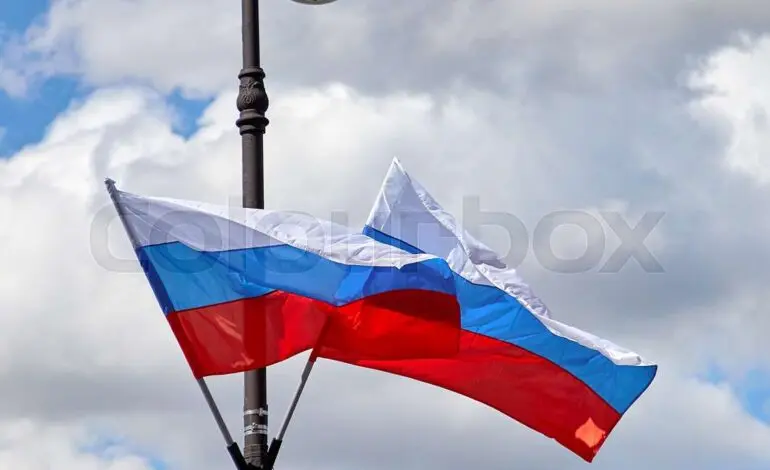
The Russian flag, a symbol of the country’s identity and heritage, has a profound significance in both national and international contexts. Comprising three horizontal stripes in white, blue, and red, the flag represents Russia’s rich history, culture, and the unity of its people. Understanding its relevance today is crucial, especially as geopolitical tensions bring focus to national symbols.
Historical Background
The current Russian flag’s design was officially adopted in 1991 after the dissolution of the Soviet Union. However, its origins date back to the late 17th century when Tsar Peter the Great introduced the tricolor. Initially, the flag was used for Russian merchant ships, symbolizing the country’s trade and maritime ambitions. Over the years, the colors have been interpreted in various ways, often associated with the ideals of liberty, faith, and nobility.
Recent Developments
In recent times, the usage of the Russian flag has sparked controversies amid ongoing geopolitical conflicts. The 2022 invasion of Ukraine led to sanctions and a global backlash against Russia, impacting how the flag is viewed internationally. Whereas the flag is a point of pride for many Russians, it also serves as a symbol of the state’s current actions, leading to debates about nationalism and identity. Protests, both in favor and against the government, often prominently feature the flag, showcasing its role in contemporary Russian society.
Symbolism and Cultural Significance
Within Russia, the flag is revered during national holidays and state ceremonies, while it also plays a pivotal role in sports and international events. Athletes competing under the Russian flag in the Olympics or World Championships face scrutiny due to international sanctions but still carry the flag with pride as a testament to national unity. The flag’s image conjures feelings of patriotism and a sense of belonging among citizens, connecting them to their history and cultural identity.
Conclusion
The Russian flag continues to evoke a spectrum of emotions, symbolizing not just national pride but also the struggles and conflicts that characterize Russia’s recent history. As the global landscape evolves, so too does the interpretation and significance of national symbols like the Russian flag. An understanding of this symbol’s history and its current implications offers clear insight into the complexities of national identity and international relations. For Russians and global observers alike, the flag will remain a focal point for discussions surrounding nationalism, identity, and unity in a rapidly changing world.