The Chinook Helicopter: Versatile and Vital in Modern Operations
Introduction
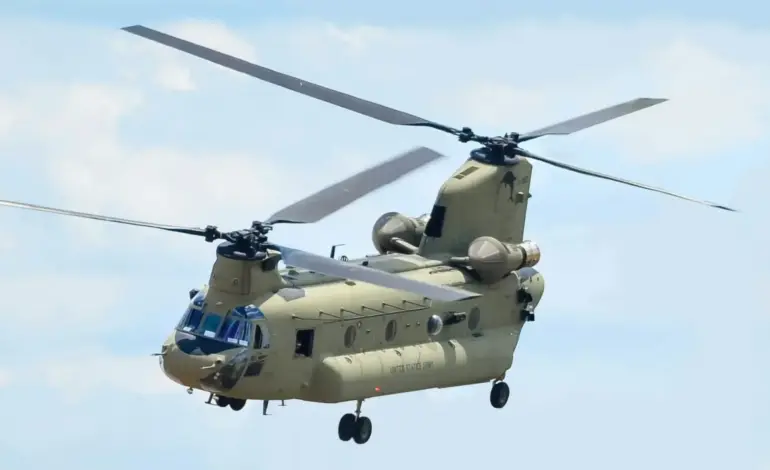
The Chinook helicopter, a twin-engine, tandem rotor military helicopter, has become essential in various military and humanitarian operations around the globe. Designed for cargo transport, troop deployment, and medical evacuation, the Chinook’s capabilities extend beyond the battlefield, making it a key asset for transporting supplies and personnel quickly and efficiently. Understanding its functionalities and recent developments offers insight into its ongoing significance in military strategy and disaster response.
Chinook Helicopter Features
The CH-47 Chinook, developed by Boeing, is known for its distinctive twin-rotor design which provides exceptional lift and stability. With a maximum speed of 196 miles per hour (315 km/h) and a range of approximately 400 miles (644 km), it is capable of carrying up to 24,000 pounds (approximately 10,886 kg) of cargo, including vehicles, equipment, and personnel. Its versatility enables it to perform a wide range of missions, from transporting troops to lifting heavy artillery in challenging environments.
Recent Developments and Operations
Recently, the Chinook helicopter has been prominently featured in various operations, including disaster relief and military engagements. Following the devastating earthquakes in Turkey in February 2023, Chinooks were deployed to deliver supplies and aid to the affected regions. Additionally, the U.S. military has continued to utilize the Chinook in operations in Afghanistan and other conflict zones around the world, showcasing its adaptability in diverse situations.
In October 2023, an agreement was reached for the procurement of updated Chinook helicopters by the U.S. Army, emphasizing the ongoing relevance and modernization of this critical aircraft. The upgrades include enhanced avionics, improved fuel efficiency, and advanced safety features to meet modern warfare requirements.
Conclusion
The Chinook helicopter remains a cornerstone of military logistics and humanitarian assistance. As conflicts evolve and natural disasters increase in frequency and intensity, the demand for reliable aerial support like the Chinook will likely grow. Future developments will continue to enhance the capabilities of this aircraft, ensuring it remains a vital tool in global operations. For readers, understanding the importance of the Chinook highlights the intricate logistics involved in military strategy and disaster response and showcases the technological advances shaping modern aviation.