Understanding the WB-57: A High-Altitude Research Aircraft
Introduction to the WB-57
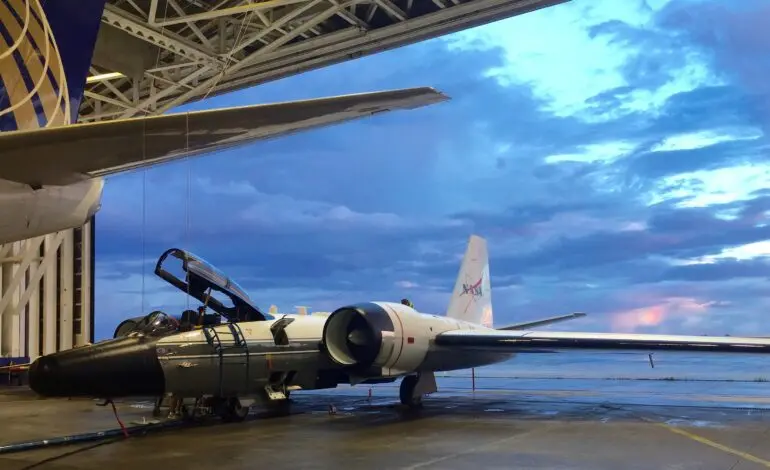
The WB-57 is a high-altitude research aircraft developed by NASA, primarily recognized for its extensive role in atmospheric and scientific research. Since it first entered service in the 1960s, the WB-57 has played a crucial role in various aerospace studies, offering insights into our atmosphere, climate change, and even planetary science.
Technical Specifications and Capabilities
The WB-57, based on the B-57 Canberra bomber, has been modified significantly to perform in research capacities. It can operate at altitudes exceeding 60,000 feet, where few other aircraft can reach. This altitude enables the WB-57 to gather data from the stratosphere, making it an invaluable tool for scientists studying atmospheric phenomena, ozone levels, and solar radiation effects.
Recent Missions and Research Contributions
In recent years, the WB-57 has been involved in crucial missions related to climate monitoring and atmospheric studies. A notable mission in 2022 involved deploying instrumentation to collect data regarding carbon dioxide and other greenhouse gases, contributing significantly to climate change research. The aircraft has also participated in various collaborations with universities and research institutions, enhancing our understanding of environmental science.
Future Prospects and Significance
As climate change continues to be a pressing global issue, the role of aircraft like the WB-57 is expected to grow. Future missions are likely to focus on further understanding the complexities of our atmosphere and the impacts of human activity. Moving forward, the WB-57 will remain a cornerstone of airborne research, providing scientists with essential data to inform policy and public understanding of environmental issues.
Conclusion
The WB-57 stands as a prime example of how aviation technology can be leveraged for scientific advancement. Its contributions to high-altitude research are invaluable, paving the way for future discoveries in atmospheric science and climate research. As such, it holds significant relevance not only for researchers but also for policymakers and the public in understanding our planet and addressing environmental challenges.