Exploring the Significance and Challenges of Dingoes in Australia
The Ecological Role of Dingoes
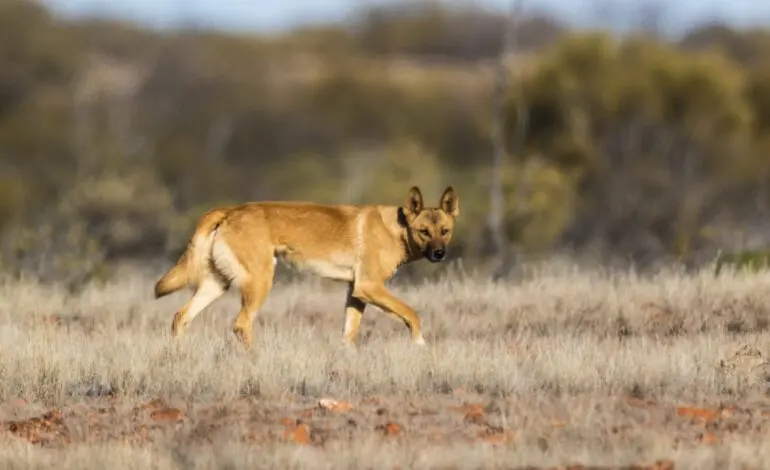
Dingoes (Canis lupus dingo), Australia’s wild dog, hold a crucial position in the continent’s ecosystem. As apex predators, they play a significant role in controlling populations of other species, such as kangaroos and feral cats, which helps maintain the balance of local wildlife. Their presence influences the behaviors of herbivores, promoting biodiversity in various habitats.
Current Challenges Facing Dingoes
Despite their importance, dingoes face numerous challenges that threaten their survival. Habitat loss due to urban expansion, agriculture, and mining has drastically reduced their living space. Moreover, interbreeding with domestic dogs has led to a decline in the purity of the dingo gene pool. Recent studies indicate that approximately 85% of dingoes in eastern Australia are hybrids, which dilutes their unique traits and adaptability.
Conservation Efforts
To combat these threats, various conservation initiatives are underway. Organizations such as the Dingo Discovery and Research Centre in Victoria are focusing on educating the public about dingoes and their ecological significance. They promote coexistence strategies, encouraging landowners to protect these animals instead of viewing them solely as pests. Furthermore, preservation measures have been implemented in national parks, where dingoes can thrive without the impacts of humans.
The Future of Dingoes
Looking ahead, dingoes will need continued and enhanced conservation efforts to survive. A significant aspect of these efforts will involve public education and outreach to change perceptions of dingoes. Scientists suggest establishing protected areas that allow for natural behaviors and breeding while working to limit hybridization with domestic dogs.
Conclusion
In summary, dingoes are not just an iconic species of Australia; they are integral to the health of its ecosystems. Understanding their role in the natural order is essential for fostering a balanced environment. It is vital that actions are taken to reverse the challenges they face, ensuring that future generations can appreciate and learn about this remarkable species.