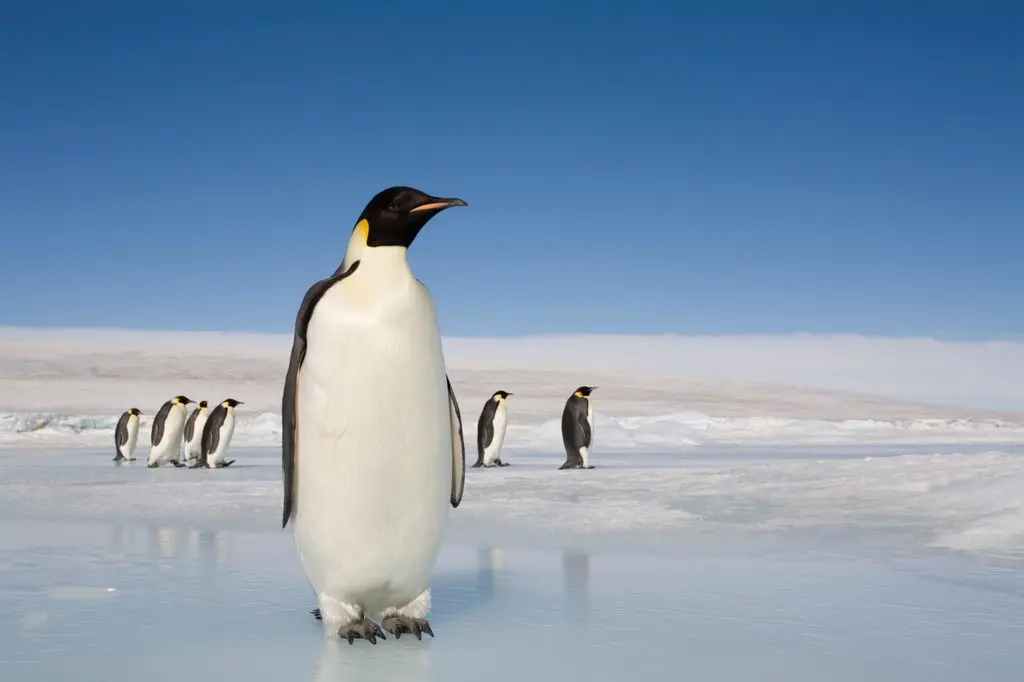
Exploring the Fascinating World of Penguins

Introduction
Penguins are some of the most beloved and intriguing creatures on our planet. As flightless birds primarily found in the Southern Hemisphere, their unique adaptations to icy environments and their charming waddling gait have captivated the hearts of many. Understanding penguins is vital for appreciating biodiversity, ecosystems, and the impact of climate change on our wildlife.
Distribution and Habitat
There are 18 species of penguins, with the largest being the Emperor Penguin and the smallest being the Little Blue Penguin. Most species are thriving in Antarctica, while others can be found on the coasts of South America, Africa, Australia, and New Zealand. The habitats of penguins vary, from icy landscapes to temperate islands, indicating their adaptability to different climates.
Behavior and Social Structure
Penguins are known for their unique social behaviors. They often live in large colonies, engaging in cooperative breeding and nurturing their young. Communication among penguins is complex, utilizing vocalizations and body language. Courtship displays and mate fidelity also highlight their social structure, where some species form lifelong bonds. Recent studies have revealed that penguins can recognize individual calls, adding another layer to their communication skills.
Threats and Conservation Efforts
Despite their charming nature, penguins face serious threats from climate change, habitat loss, and overfishing. The recent increase in global temperatures is melting their ice habitats, affecting their breeding and feeding patterns. Moreover, plastic pollution in oceans poses a significant risk to their survival. Organizations worldwide are actively working on conservation efforts, from habitat restoration to sustainable fishing practices, to help protect these iconic birds. The Penguin Conservation Society has recently launched a campaign aimed at reducing plastic waste in critical penguin habitats, which emphasizes community involvement.
Conclusion
Penguins are more than just adorable creatures; they are vital indicators of environmental health. As changes in the climate directly impact their survival, the urgency for conservation becomes even more paramount. Continued global awareness and dedicated conservation can help ensure that future generations will also enjoy the sight of these remarkable birds. For readers, it is significant to support eco-friendly practices and conservation initiatives that contribute to the protection of penguins and their habitats.