What is Phishing? Understanding Online Scams and Their Impact

Introduction to Phishing
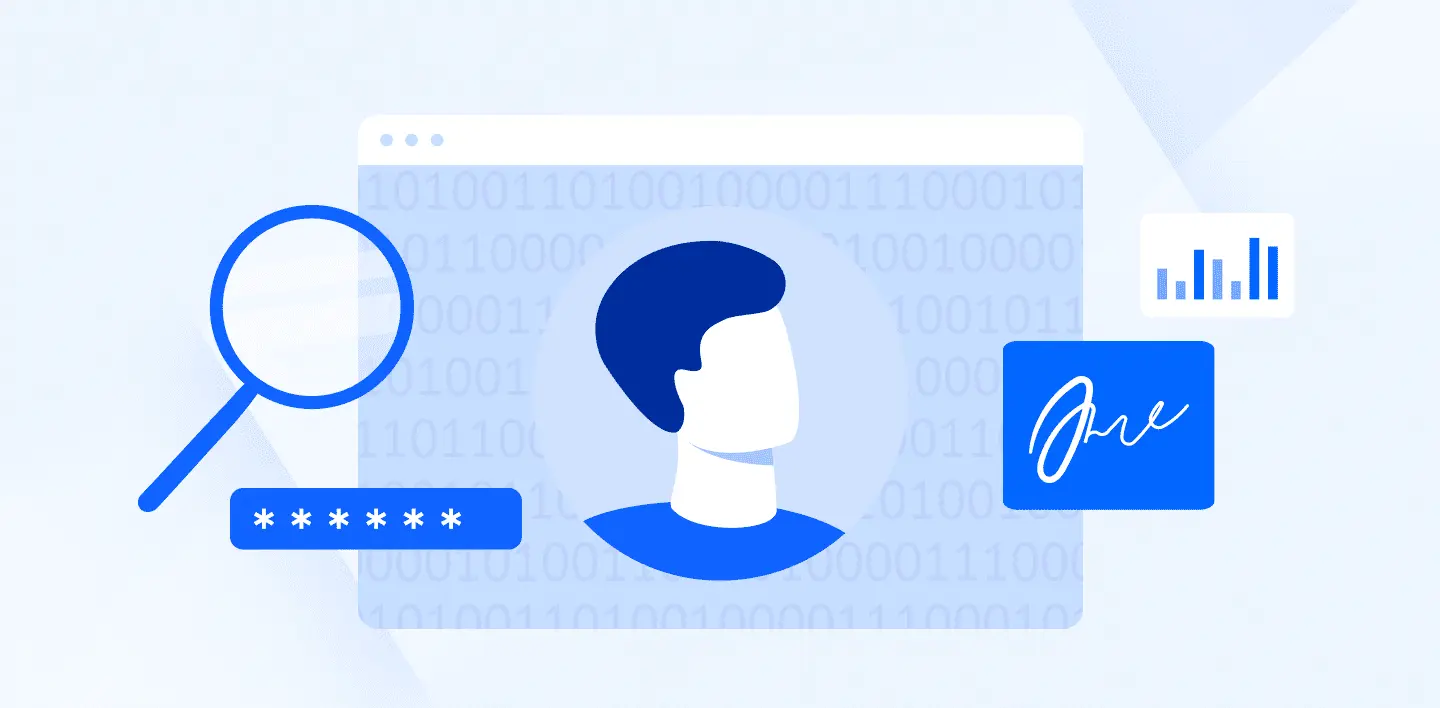
Phishing is a form of cybercrime that involves tricking individuals into providing sensitive personal information, such as passwords or credit card numbers, by posing as a trustworthy entity in electronic communications. As the digital landscape continues to evolve, phishing has become increasingly relevant, affecting millions of users globally, and leading to significant financial losses each year.
How Phishing Works
Phishing often occurs through email, but it can also happen via text messages, social media, or direct messages. A typical phishing attack involves a malicious actor sending a seemingly legitimate message, often mimicking banks, popular services, or individuals within the recipient’s contacts. The message generally contains a link to a fraudulent website that looks authentic, asking the victim to input sensitive information.
Recognizing Phishing Attempts
There are several signs that can help users identify potential phishing attempts. Common characteristics include:
- Urgent Language: Messages that create a sense of urgency, encouraging immediate action.
- Suspicious Links: Hovering over links often reveals mismatched URLs that do not correspond to the legitimate organization’s website.
- Generic Greetings: Phishing messages often use non-specific greetings like “Dear Customer” rather than personalizing with the recipient’s name.
Current Statistics and Trends
According to the Anti-Phishing Working Group (APWG), phishing attacks have steadily increased over the past few years, with the organization reporting over 200,000 unique phishing sites in a single month. Furthermore, some sectors such as finance and retail are among the most targeted, prompting companies to invest heavily in cybersecurity measures.
How to Protect Yourself from Phishing
Protecting oneself from phishing requires vigilance and adopting a proactive approach:
- Verify Sources: Always verify the sender’s email address or contact information before responding or clicking on any links.
- Keep Software Updated: Regularly update your software and security tools to ensure they can effectively detect and mitigate phishing attacks.
- Educate Yourself: Stay informed about the latest phishing techniques and scams to recognize potential threats.
Conclusion
Phishing remains a prevalent cyber threat, impacting individuals and organizations alike. By understanding what phishing is and implementing protective measures, users can significantly reduce their risk of falling victim to these deceptive tactics. Awareness and caution are essential in navigating the increasingly complex online environment.