Understanding Doxing: What You Need to Know
Introduction
Doxing, a term derived from “dropping dox,” refers to the practice of publicly revealing previously private personal information about an individual without their consent. With the rapid growth of the internet and social media platforms, doxing has become a significant issue, posing severe risks to personal safety and privacy. As online interactions continue to expand, understanding the implications of doxing and how it can affect individuals is crucial for everyone navigating the digital world.
What is Doxing?
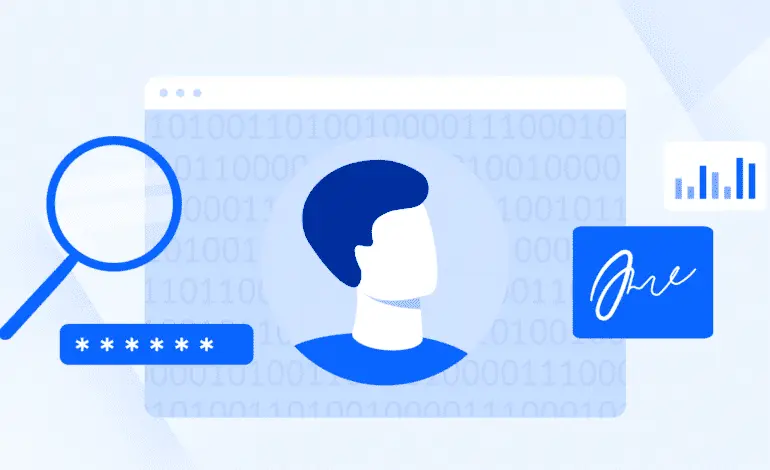
At its core, doxing entails exposing sensitive information about a person, which may include their full name, address, phone number, email address, employer, and social media profiles. This information is often gathered through various means, such as hacking, social engineering, or even simple online searches. The motivations behind doxing can vary widely—from revenge, harassment, or intimidation to political expression, making it a versatile tool for online attackers.
Recent Incidents of Doxing
Recent months have seen a surge in doxing incidents, particularly in relation to online gaming and social media platforms. For instance, in late September 2023, a notable case involved a popular Twitch streamer whose private address was made public following a heated online feud. The individual faced threats, leading to concerns about personal safety, and raising alarms about the failure of social platforms to protect their users effectively.
Furthermore, a recent report by the Anti-Defamation League (ADL) found that the practice of doxing has increased by 28% over the past year. High-profile public figures and activists have frequently been targets, leading to calls for enhanced legal protections against such violations of privacy.
Implications of Doxing
The repercussions of doxing can be severe, leading to real-life threats, harassment, emotional distress, and potential harm. Victims may experience job loss, financial instability, and in extreme cases, physical harm from those motivated by malice. Doxing not only compromises an individual’s security but also raises broader concerns about the safety and anonymity of individuals online.
Protecting Yourself from Doxing
Given the rising trend of doxing, it’s essential to take proactive measures to protect personal information. Here are some tips: – Regularly update privacy settings on social media accounts to restrict who can see personal information. – Avoid sharing sensitive details publicly, such as your home address, phone number, or specific location in real-time. – Use strong, unique passwords for online accounts and enable two-factor authentication wherever possible.
Conclusion
As digital landscapes evolve, so do threats like doxing. It is imperative for individuals to stay informed about this concerning practice and take steps to safeguard their privacy. By fostering awareness and promoting safer online environments, we can mitigate the risks associated with doxing. Moving forward, it will be essential for lawmakers and platform owners to enhance protections for users, creating a more secure internet for all.