Understanding Current Economic Trends and Their Impact
Introduction
The global economy has become an intersection of various trends that influence daily life, investment strategies, and government policies. Understanding economic trends is essential for consumers and businesses alike, as these trends can dictate market behavior, employment opportunities, and financial stability. The significance of economic awareness has never been higher, especially in the wake of recent global events such as the COVID-19 pandemic, geopolitical conflicts, and climate change which have disrupted traditional economic patterns.
Current Economic Landscape
As of late 2023, various reports indicate a fluctuating economic landscape. According to data from the World Bank and the International Monetary Fund (IMF), global growth is projected to slow down to around 3% this year, down from 3.5% in 2022. This slowdown is attributed to inflationary pressures, rising interest rates, and ongoing supply chain issues exacerbated by geopolitical tensions like the Russia-Ukraine conflict.
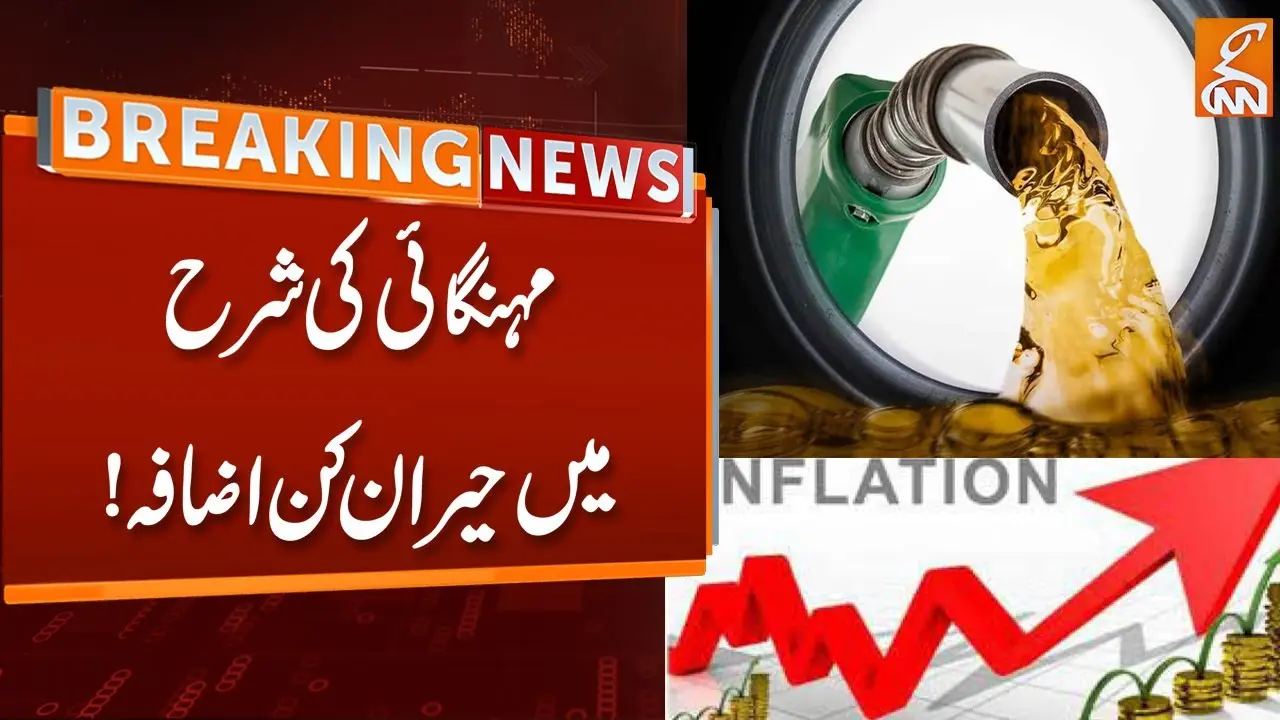
In the United States, the Federal Reserve has been actively increasing interest rates to combat persistent inflation, which has remained above the target of 2%. As a result, consumer spending has shown signs of tapering off, affecting sectors such as retail and hospitality which are heavily reliant on discretionary spending. Furthermore, labor markets have tightened, creating a dynamic where wages are increasing, but so are the costs of living, thereby squeezing disposable income.
Global Economic Factors
Internationally, different regions are experiencing varying economic challenges. The European Union is grappling with energy transition challenges and inflation linked to energy prices, while Asian countries face unique hurdles such as slower recovery rates from pandemic impacts and evolving trade relationships. China, for example, is forecasted to see a moderate growth rate of about 4.5%, highlighting its struggle with real estate market issues and regulatory crackdowns.
Impact on Individuals and Businesses
For individuals, these economic trends translate into heightened living costs, shifting job opportunities, and the need for increased financial literacy. Many are urged to adapt their financial strategies as credit becomes more expensive and investment yields diminish. Businesses, especially small and medium enterprises (SMEs), face increased costs and potential market contraction, prompting many to rethink their operational strategies and explore new revenue models.
Conclusion
In summary, the current economic environment is marked by significant challenges and adjustments. Economists suggest that individuals and businesses should remain adaptable, continuously reassessing their financial health, investment strategies, and market positions. As predictions remain cautious, individuals who educate themselves on economic trends may not only safeguard their finances but capitalize on emerging opportunities within the shifting landscape.