The Role of Coal in Today’s Energy Landscape

Introduction
Coal has been a cornerstone of global energy production for centuries. Despite the rise of renewable energy sources, coal remains a significant contributor to the world’s electricity supply. Understanding the importance of coal is crucial, especially in light of current discussions about energy security, economic growth, and climate change. With many countries still heavily reliant on coal, its future is a pressing topic for policymakers, environmentalists, and the energy sector.
Current Trends in Coal Usage
As of 2023, coal continues to generate about 35% of the world’s electricity. The largest consumers of coal include China and India, which utilize the resource for rapid industrialization and economic growth. Recently, reports indicate a slight rebound in coal production following a dramatic decline during the COVID-19 pandemic. According to the International Energy Agency (IEA), coal production is projected to increase by 5% in 2023 as demand rises due to post-pandemic recovery globally.
Environmental Impact
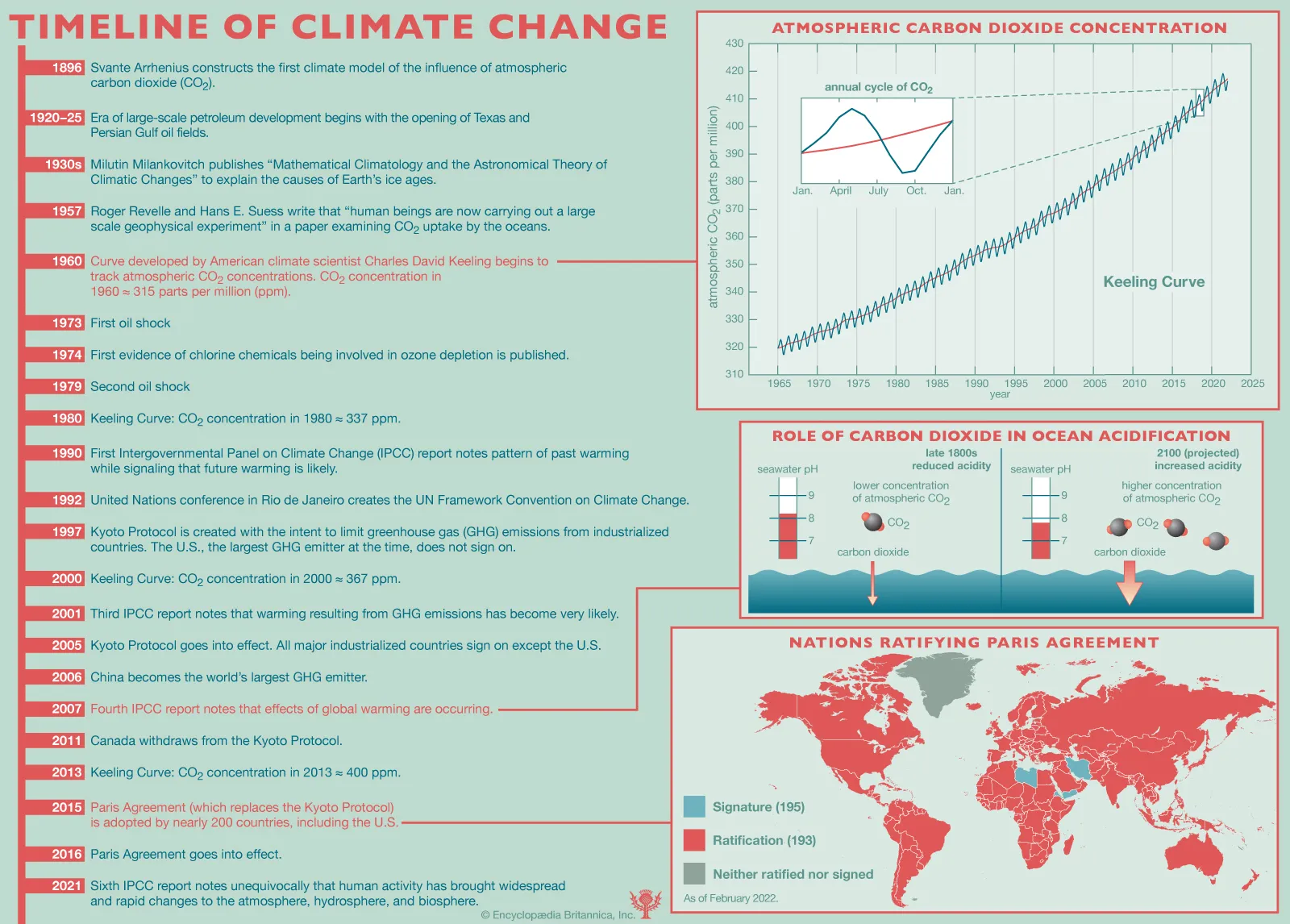
Despite its economic significance, coal is under scrutiny due to its environmental consequences. Burning coal is a major source of greenhouse gas emissions, contributing significantly to air pollution and climate change. Many countries are facing pressure to shift towards cleaner energy alternatives. For instance, the U.S. has seen a decline in coal’s share of electricity generation from over 50% a decade ago to about 20% in recent years, largely due to the availability of cheaper natural gas and growing renewable energy investments.
Economic Considerations
Economically, coal still represents a significant job sector, especially in regions where mining occurs. According to the Bureau of Labor Statistics, coal mining jobs remain essential for many communities. However, the transition to renewable energy sources poses a challenge for these regions, demanding focused efforts on job retraining and economic diversification.
Conclusion
The future of coal is a matter of balancing economic needs against environmental responsibilities. As countries commit to reducing carbon emissions, the role of coal is likely to diminish, but it remains crucial in the short term for energy security and economic stability in many parts of the world. Policymakers must navigate these challenges carefully, ensuring a transition that supports affected communities while promoting sustainable energy practices. The global move toward carbon neutrality will ultimately dictate coal’s place in future energy strategies, making ongoing dialogue and adaptation imperative.