Exploring Finland: Culture, Innovation, and Nordic Unity

Introduction
Finland, often dubbed the ‘Land of a Thousand Lakes’, stands out as a beacon of innovation and progressive values in Northern Europe. Known for its high quality of life and education system, Finland holds a significant position in global discussions about sustainability, technology, and cultural heritage. Understanding Finland’s developments can provide insights into the changing dynamics of Europe and the influence of Nordic policies in the present age.
Cultural Heritage
Finnish culture is a unique blend of indigenous Sámi influences, Scandinavian customs, and a rich literary history. Celebrations like Juhannus (Midsummer) and Vappu (May Day) reflect the deep ties to nature and community in Finnish life. The sauna, regarded as a traditional Finnish landmark, symbolizes relaxation and social bonding, making it an essential aspect of everyday life. Additionally, Finland’s commitment to the arts is seen through its numerous museums, theaters, and music festivals.
Technological Advancements
Finland is also recognized for its advances in technology and education. Home to companies like Nokia and Supercell, the country has established itself as a formidable player in the tech industry. The educational system, frequently ranked as one of the best globally, emphasizes creativity, critical thinking, and equal opportunity. Policies promoting STEM (Science, Technology, Engineering, and Mathematics) education have also fostered an entrepreneurial spirit among young Finns.
Environmental Sustainability
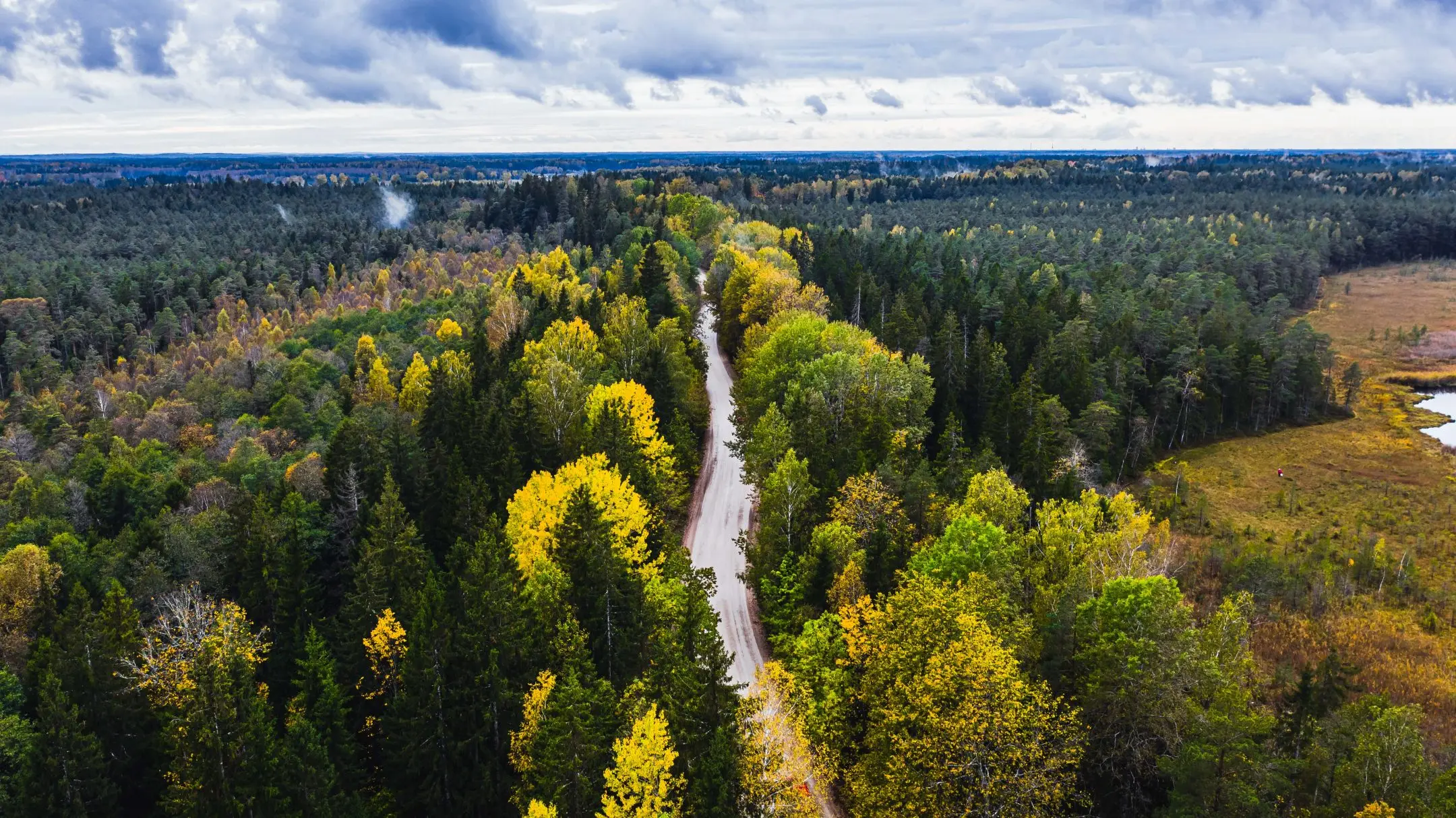
In recent years, Finland has become a leader in sustainability practices, aiming to be carbon neutral by 2035. The government’s ambitious environmental policies focus on renewable energy, conservation, and minimizing waste. Finland’s forests cover 75% of its land area, and initiatives that promote reforestation and biodiversity highlight the nation’s firm commitment to preserving its natural landscapes.
Conclusion
As Finland continues to navigate the challenges and opportunities of the 21st century, its blend of rich cultural heritage, innovative spirit, and environmental stewardship sets an inspiring example for the world. The Finnish model of education, its commitment to technological advancements, and sustainability not only enhance its global standing but also offer a roadmap for other nations grappling with similar issues. For readers, understanding Finland’s unique contributions can inspire appreciation for diverse approaches to modern problems and encourage thoughtful discourse on global cooperation.