An Overview of the World’s Tallest Buildings in 2023
The Significance of Tall Buildings
The world’s tallest buildings not only symbolize architectural advancements but also reflect the economic and cultural ambitions of their locations. As cities grow and populations increase, the demand for vertical structures rises to maximize space and resources. The architectural feats of these skyscrapers represent not only engineering prowess but also the aspirations of humanity to reach new heights.
The Current Record Holders
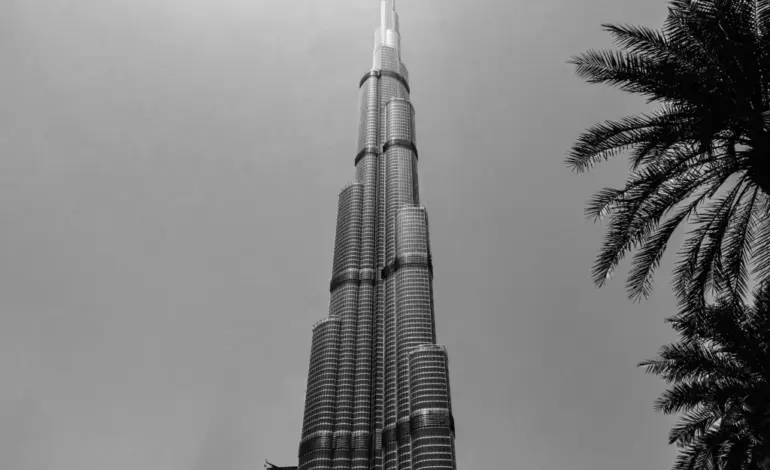
As of 2023, the Burj Khalifa in Dubai remains the tallest building in the world, standing at an impressive 828 meters (2,717 feet). Since its completion in 2010, it has set a benchmark for skyscraper design. Following the Burj Khalifa is the Shanghai Tower in China, which reaches 632 meters (2,073 feet) and is notable for its twisting design that reduces wind loads. The third tallest, the Abraj Al Bait Clock Tower in Mecca, Saudi Arabia, stands at 601 meters (1,971 feet) and serves as a hotel and a religious hub.
Emerging Competitors
In the ongoing race to create the next tallest skyscraper, several projects are in the pipeline. The Jeddah Tower, currently under construction in Saudi Arabia, is anticipated to surpass the Burj Khalifa by reaching approximately 1,000 meters (3,281 feet). If completed as planned, it could redefine the skyline of Jeddah and set a new record in height. Meanwhile, the Suzhou Zhongnan Center, expected to stand at 700 meters (2,297 feet), is another contender that aims to compete for the title among the world’s tallest buildings.
Impact on Urban Development
The rise of these monumental structures not only transforms city skylines but also impacts urban planning and development. Skyscrapers often come with mixed-use facilities, fostering community engagement and economic activity. However, they can also lead to challenges such as shadowing other buildings, creating wind tunnels, or straining local infrastructure. City planners and architects are increasingly focused on creating sustainable skyscrapers that minimize environmental impacts while maximizing efficiency.
Conclusion
The world’s tallest buildings exemplify human ingenuity and the relentless pursuit of progress. As technology advances, we can expect to see even taller structures redefine our perceptions of architecture and urban life. The emerging skyscrapers promise not only to enhance city landscapes but also to address the urban challenges of the future, illuminating a path toward a more vertical world.