Discovering Taipei 101: An Icon of Modern Architecture
Introduction
Taipei 101, the iconic skyscraper looming over the skyline of Taiwan’s capital, Taipei, is more than just a structural marvel; it symbolizes the rapid economic growth and modernization of the island. Completed in 2004, Taipei 101 was once the tallest building in the world, standing at 508 meters (1,667 feet). Its unique design and engineering excellence reflect both cultural heritage and cutting-edge technology. As Taiwan continues to play a pivotal role in the global economy, Taipei 101 remains a focal point for tourism, business, and national pride.
Architectural Significance
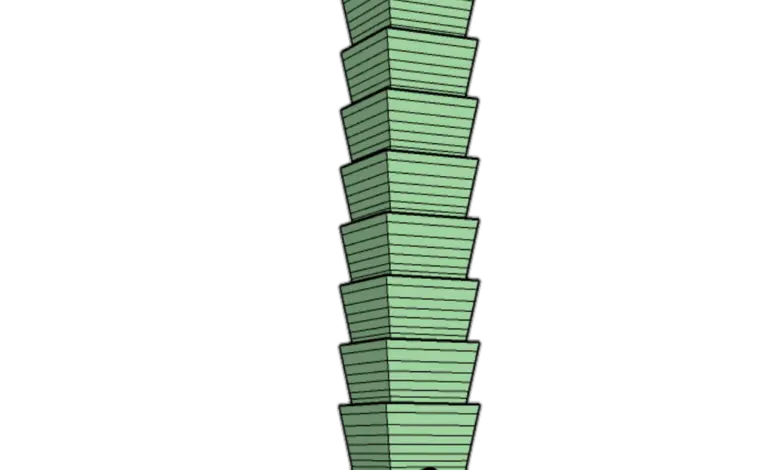
The building’s design was inspired by traditional Asian pagodas, featuring eight distinct sections representing the eight traditional Chinese postures of prosperity. Renowned architect C.Y. Lee and his firm designed the tower to endure typhoon winds and seismic activity, crucial for its location on a tectonically active island. An intriguing feature of Taipei 101 is its massive tuned mass damper, a 660-ton device that helps stabilize the building during earthquakes and strong winds.
Cultural Relevance
Taipei 101 has become a symbol of Taiwan’s identity and resilience. It hosts various events throughout the year, including a visually stunning New Year’s Eve fireworks display, attracting thousands of tourists and locals alike. The building houses a shopping mall, restaurants, offices, and an observation deck that offers a panoramic view of the city. It is a hub of cultural activity, showcasing art exhibits and often serving as a backdrop for significant national celebrations.
Current Events and Future Outlook
Recently, Taipei 101 has embraced sustainable practices as part of its operation, aligning with global trends to combat climate change. The building achieved LEED (Leadership in Energy and Environmental Design) certification, signifying its commitment to environmental sustainability. Looking ahead, Taipei 101 aims to enhance its role as a beacon of tourism and commerce, potentially collaborating with tech companies to integrate more smart technologies into its operations, aligning with Taiwan’s ambitions to lead in tech innovation.
Conclusion
In conclusion, Taipei 101 stands not only as a marvel of modern architecture but also as an emblem of Taiwan’s aspirations and cultural identity. As the world continues to evolve, Taipei 101 will likely adapt and innovate, maintaining its status as a must-visit landmark for tourists and a source of pride for Taiwanese citizens. Its prominence in the skyline serves as a reminder of the country’s progress and resilience in an ever-changing global landscape.