Understanding Current Energy Rates and Their Impact

Introduction
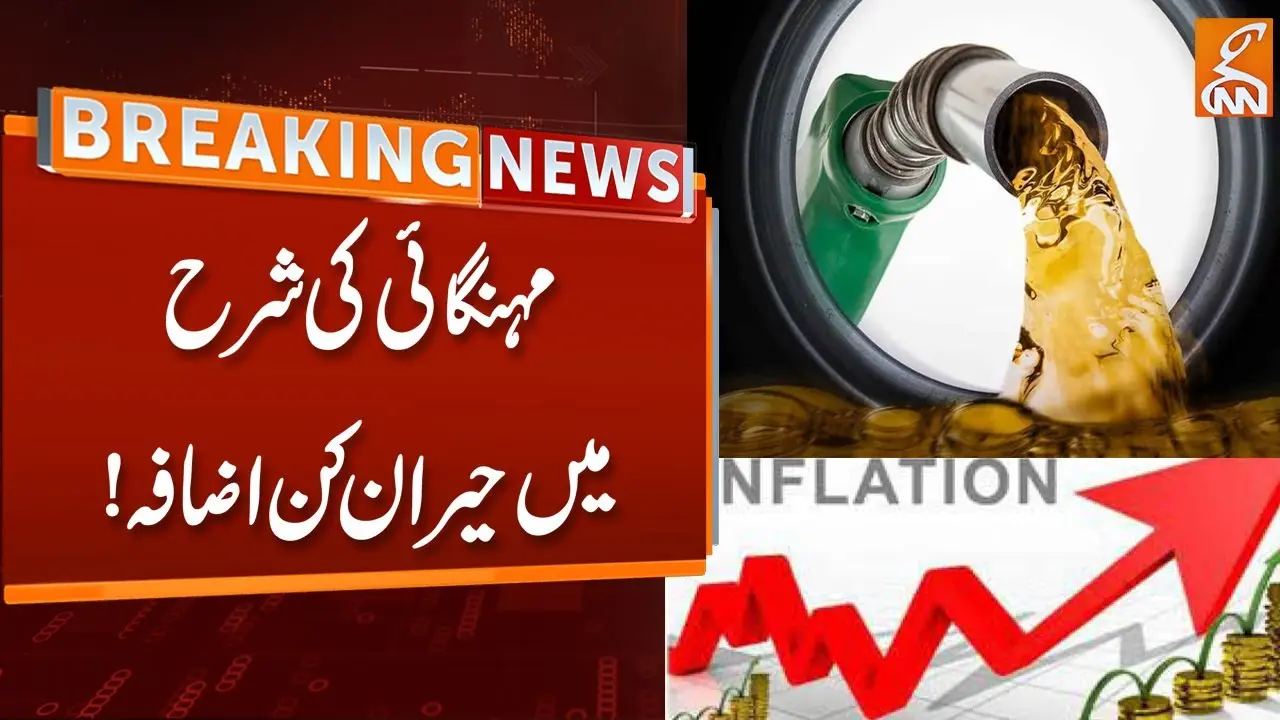
In today’s rapidly shifting economic landscape, energy rates have become a critical topic of discussion among consumers, businesses, and policymakers. Energy prices directly affect household budgets and the operational costs of businesses, making it crucial to stay informed about the trends and factors that drive these rates. The recent surge in energy costs has sparked debates on sustainability, energy independence, and regulatory approaches.
Recent Trends in Energy Rates
As of late 2023, energy rates across the United States have seen notable fluctuations. According to the U.S. Energy Information Administration (EIA), the average price of electricity has increased by over 10% compared to last year. This rise is attributed to several factors, including increased natural gas prices, geopolitical tensions affecting oil supplies, and ongoing transitions towards renewable energy sources.
In areas heavily reliant on fossil fuels, such as coal and natural gas, the impact of global supply chain disruptions and extreme weather events have further strained energy resources, leading to higher prices. Conversely, states that have invested significantly in renewable energy infrastructure, like California and Texas, are beginning to see more stable rates due to diversifying their energy portfolios.
Consumer Impact and Future Outlook
The increased energy rates are likely to affect low- and moderate-income households disproportionately, as a larger percentage of their budgets are spent on utilities. In response, many state governments are proposing or implementing assistance programs to alleviate the burden on vulnerable populations. Additionally, energy efficiency programs are being promoted to help consumers reduce their overall consumption and mitigate rising costs.
Looking forward, it is expected that energy rates will continue to rise in the short term due to ongoing global uncertainties and the transition to more sustainable energy sources. However, experts suggest that as renewable energy technologies advance and become more widely adopted, long-term rates may stabilize or even decrease. The push for energy efficiency, electrification of transportation, and grid modernization will play significant roles in shaping the future landscape of energy in America.
Conclusion
In conclusion, understanding energy rates and their implications is vital as they directly affect economic conditions and everyday life for consumers. Staying informed about changes in energy prices and advocating for policies that encourage sustainable practices can help mitigate the impacts of rising energy costs. With the continued advancement of renewable energy technologies, there is hope for a more stable and affordable energy future.