Understanding Kevin Warsh’s Impact on Economic Policy
Introduction
Kevin Warsh, a former member of the Federal Reserve Board of Governors, has consistently been in the spotlight due to his profound influence on monetary policy and economic behavior in the United States. As the economy faces challenges and shifts, understanding Warsh’s contributions and viewpoints is critical for policymakers, economists, and the public alike.
Warsh’s Background and Tenure
Kevin Warsh served on the Federal Reserve Board from 2006 to 2011, during one of the most turbulent periods in U.S. economic history, which included the 2008 financial crisis. His tenure was marked by significant debate over the Fed’s strategies, especially regarding low-interest rates and quantitative easing policies. Known for his analytical approach, Warsh often emphasized the importance of balancing monetary stimulus with long-term economic stability.
Recent Developments and Commentary
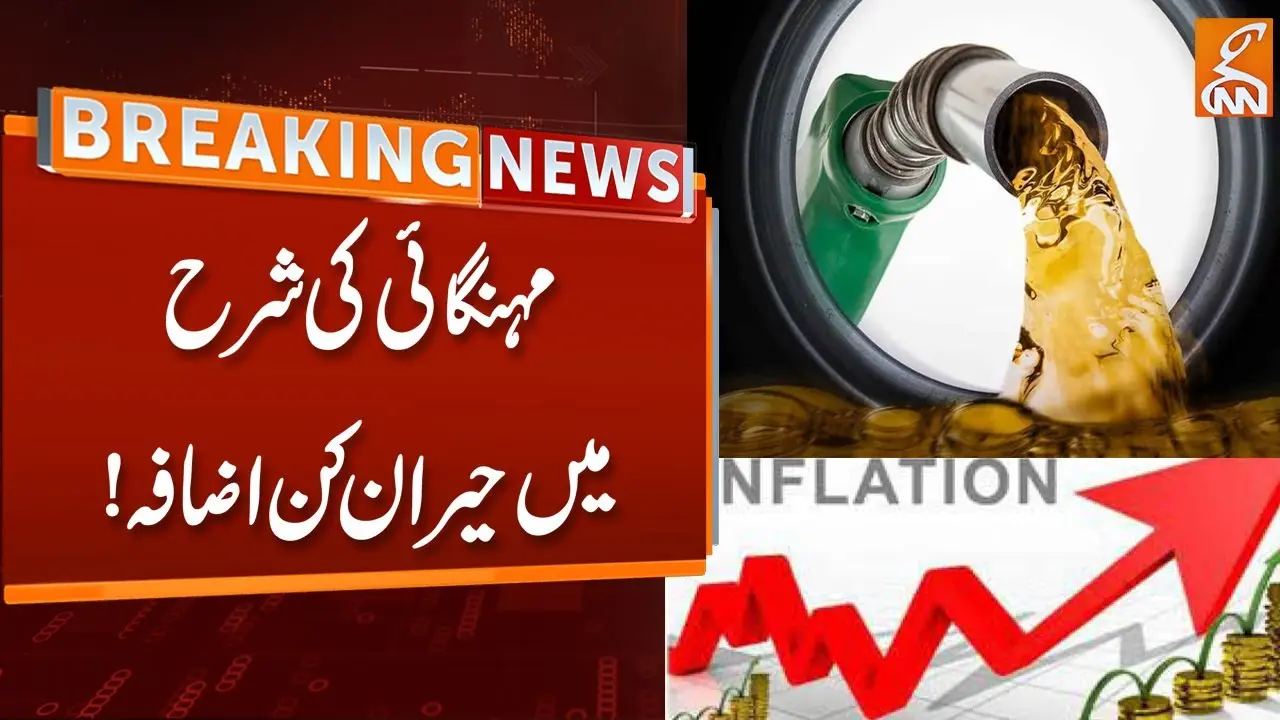
In recent months, Warsh has re-emerged as a prominent voice in discussions surrounding inflation, interest rates, and economic recovery post-pandemic. He has notably criticized excessive monetary easing and has called for a cautious approach to interest rate policy, arguing that inflationary pressures must be managed to safeguard economic stability. His insights have gained traction as inflation rates reached levels not seen in decades, sparking fears over potential recession.
Warsh’s Publications and Influence
Kevin Warsh has been a prolific commentator on economic matters, contributing to various publications and think tanks. His writings reflect a deep understanding of economic theory and practical implications. He has urged the Fed to consider the real-world impacts of their theories and decisions on everyday Americans, advocating for policies that prioritize economic sustainability over short-term fixes.
Conclusion
As the economic landscape continues to evolve, Kevin Warsh’s perspective remains invaluable. His emphasis on prudence and accountability in monetary policy is increasingly relevant amid global economic uncertainties. Observers of the Federal Reserve and the economy at large would do well to heed Warsh’s insights, especially as other potential economic crises loom. In forecasting future economic policies, his influence will undoubtedly play a significant role in shaping the discussions at the intersection of academia, policy, and real-world applications.