The Story of John Kiriakou: A CIA Whistleblower
Introduction
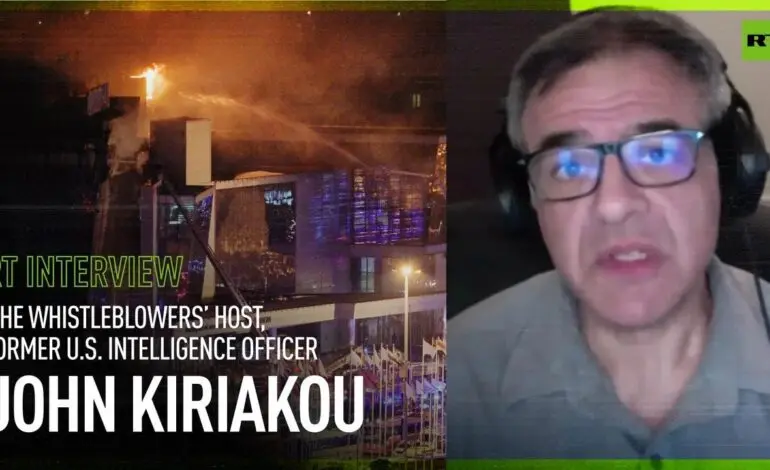
John Kiriakou, a former CIA officer, is a significant figure in the ongoing discussions surrounding transparency and accountability in government agencies. His whistleblowing on the CIA’s use of torture has sparked a nationwide debate about ethics in intelligence practices and the protection of whistleblowers themselves. As we navigate the complexities of security and ethics, Kiriakou’s story serves as a crucial lens through which to examine these issues.
The Circumstances Leading to Whistleblowing
Kiriakou’s whistleblowing began in 2007, when he publicly revealed details about the CIA’s torture program, including the use of waterboarding. His disclosures prompted a broader discussion about the legality and morality of such practices. Kiriakou’s revelations were significant because they marked the first time a CIA officer had come forward to publicly discuss the agency’s detention and interrogation programs since the events following September 11, 2001.
In 2012, Kiriakou was arrested and indicted on charges of disclosing classified information. His conviction on a single charge of leaking the name of a covert officer led to a prison sentence, making him one of the few whistleblowers prosecuted for such actions.
Impact and Ongoing Advocacy
Since his release from prison, Kiriakou has continued to advocate for government transparency and the rights of whistleblowers. He hosts a podcast titled “The Unauthorized Disclosure Podcast” and frequently speaks at events, sharing insights on intelligence practices and the importance of protecting whistleblowers. Kiriakou’s experiences have invigorated calls for reform in how whistleblower cases are handled, as many believe they should be supported rather than prosecuted.
Conclusion
John Kiriakou’s journey from CIA officer to whistleblower highlights key issues surrounding national security, government accountability, and the treatment of those who speak out against wrongdoing. As debates about ethics in intelligence and national security continue to unfold, Kiriakou’s story remains relevant. The conversations he has ignited emphasize the necessity for reforms that prioritize transparency and protect individuals who expose unethical practices. The implications of his actions resonate deeply in a world where the line between national security and human rights must be carefully navigated.