Understanding Snow Leopards and Their Conservation Needs
The Importance of Snow Leopards
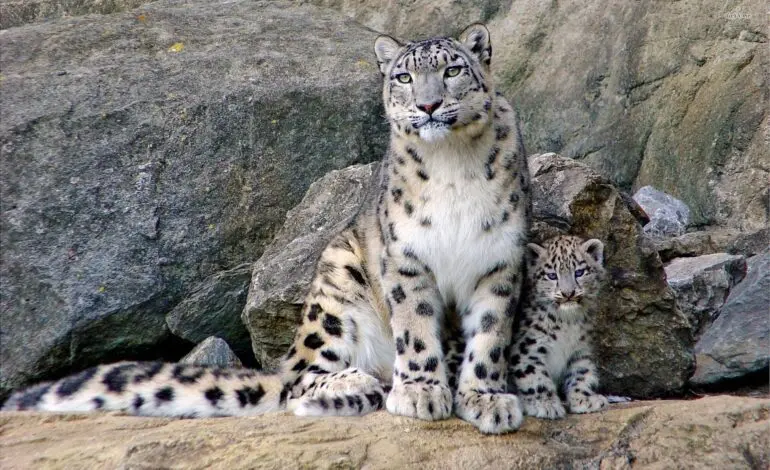
Snow leopards, known scientifically as Panthera uncia, are elusive and striking big cats native to the mountain ranges of Central and South Asia. These apex predators play a critical role in maintaining the ecological balance of their habitats by controlling the populations of prey species such as ibex and blue sheep. Their presence indicates a healthy ecosystem, making their conservation vital not just for their species, but for the biodiversity of the regions they inhabit.
Current Conservation Status
According to the International Union for Conservation of Nature (IUCN), snow leopards are currently classified as “vulnerable,” with an estimated population of only 4,000 to 6,500 individuals left in the wild. They face numerous threats, including habitat loss, poaching, and human-wildlife conflict. As human activities encroach further into their mountainous habitats, instances of conflict often arise, leading to retaliatory killings of these magnificent cats by local herders.
Conservation Efforts
Organizations like the Snow Leopard Trust and the Snow Leopard Conservancy are working diligently to protect these animals through various initiatives. Strategies include conducting field research to better understand their ecology, implementing community-based conservation programs, and advocating for sustainable land-use practices that reduce human-wildlife conflict. Additionally, these organizations provide education and financial incentives to local communities to encourage coexistence with snow leopards.
In 2023, a significant international conference focused on snow leopard conservation was held in Bishkek, Kyrgyzstan, highlighting the need for collaborative efforts across nations. Countries comprising the snow leopard’s habitat, including Afghanistan, China, India, and Mongolia, came together to discuss strategies to enhance conservation and promote habitat protection. These discussions have led to renewed commitments from governments to safeguard snow leopard populations and their habitats.
Looking Ahead
The future of snow leopards depends on continued awareness and action. Ongoing conservation efforts must evolve with the changing landscape of human impacts. Engaging local communities, enforcing anti-poaching laws, and securing funding for conservation projects are crucial to ensuring a sustainable future for these captivating big cats.
As climate change threatens the high-altitude habitats of snow leopards, global efforts must intensify to adapt conservation strategies to new realities. The story of the snow leopard serves as a reminder of the delicate balance within ecosystems and the shared responsibility to protect our planet’s biodiversity.