Understanding Sleet: Formation, Effects, and Safety Tips

Introduction
Sleet, a form of precipitation that falls as ice pellets, plays a significant role in winter weather across many regions of the United States. Understanding sleet is crucial not only for meteorologists but also for everyday people who need to prepare for changing weather conditions. Recognizing the hazards associated with sleet can help individuals take the necessary precautions to stay safe during winter storms.
What is Sleet?
Sleet forms when snowflakes fall through a layer of warm air in the atmosphere that melts them into rain. As this rain descends, it passes through another cold layer of air, refreezing into ice pellets before reaching the ground. This unique cycle differentiates sleet from freezing rain and snow, making it particularly hazardous.
Recent Weather Events
In recent weeks, parts of the Midwest and Northeast have experienced significant sleet events, disrupting travel and causing hazardous road conditions. For instance, during a severe winter storm in early January 2023, sleet accumulation led to the closure of major highways and delayed flights across several states. According to the National Weather Service, areas like Illinois and Indiana reported up to an inch of sleet accumulation, impacting both vehicular and pedestrian safety.
Effects of Sleet on Daily Life
Sleet can cause a variety of issues, including:
- Road Conditions: Ice pellets accumulate on roadways, making it difficult for vehicles to maintain traction. This often leads to slippery conditions, causing accidents and slow traffic.
- Energy Infrastructure: While not as damaging as ice storms, sleet can still cause problems for power lines and trees, especially when combined with wind.
- Visibility: Sleet can reduce visibility for drivers, compounding the risks on the road.
Safety Tips for Sleet Events
When sleet is in the forecast, it’s essential to take proactive measures to stay safe:
- Avoid Travel: If possible, stay off the roads during sleet events. If travel is necessary, ensure your vehicle is equipped with winter tires and emergency supplies.
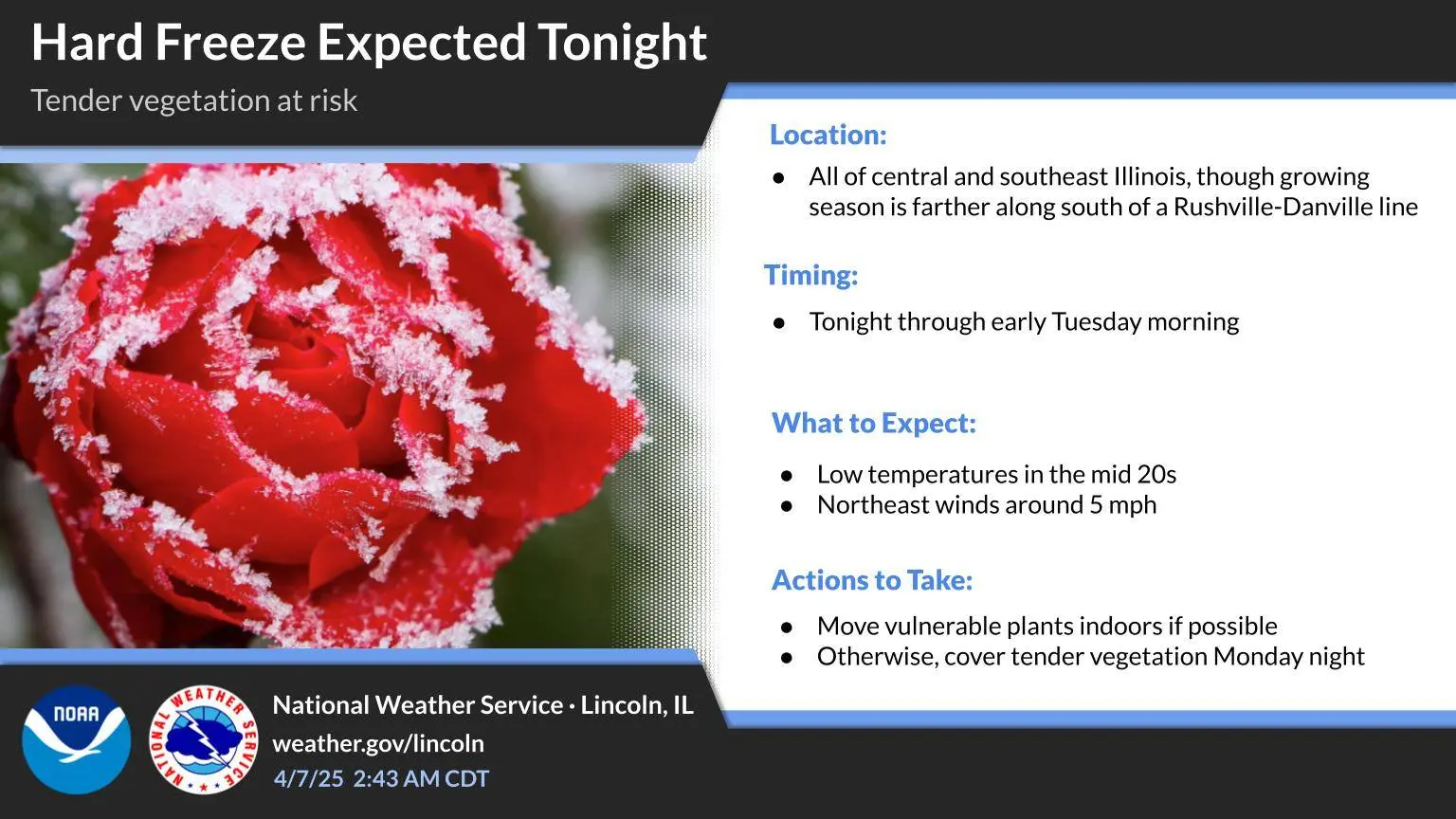
- Stay Informed: Keep up with weather updates through reliable sources like the National Weather Service, to receive timely warnings and forecasts.
- Prepare Your Home: Ensure that walkways and driveways are treated with salt or sand to improve traction and reduce slipping hazards.
Conclusion
As the climate continues to change, understanding weather phenomena like sleet is more important than ever. With increasing occurrences of extreme weather patterns, residents should be prepared for sleet conditions and equipped with the knowledge to navigate safely. By staying informed and taking appropriate precautions, individuals can mitigate the risks posed by sleet and ensure their safety during winter storms.