Understanding Antarctica Weather: Changes and Implications
Introduction: The Significance of Antarctica Weather
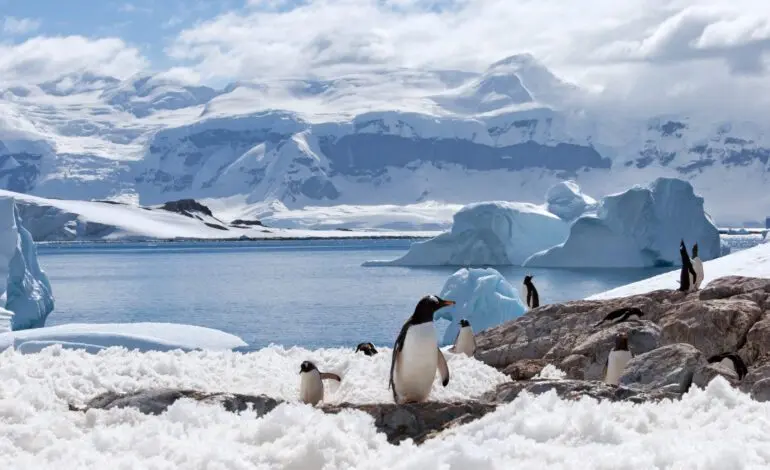
Antarctica, often referred to as the Earth’s last frontier, holds crucial information about our planet’s climate. The weather patterns in this region are not just significant for scientists studying the environment; they influence global sea levels and patterns of ocean currents, which can affect weather conditions far beyond the continent itself.
Current Weather Trends in Antarctica
Recent reports indicate alarming shifts in Antarctica’s weather. According to the National Snow and Ice Data Center, average temperatures have been rising significantly. The Antarctic Peninsula has experienced temperature increases of nearly 3°C (5.4°F) over the last 50 years, making it one of the fastest warming regions on Earth. Extreme weather events, including unprecedented heatwaves and rain, have been increasingly noted. For instance, on March 6, 2020, researchers recorded a temperature of 18.3°C (64.9°F) at the Esperanza Base on the Antarctic Peninsula, a record for the region.
The Impact of Changing Weather Patterns
The rising temperatures have led to critical consequences, including the melting of glaciers and ice shelves. The Pine Island Glacier and Thwaites Glacier are among those most affected, contributing to rising sea levels that threaten coastal communities worldwide. A study published in the journal Nature forecasts that if current warming trends continue, parts of the West Antarctic Ice Sheet could become unstable, resulting in significant sea-level rise by the end of the century.
Conclusion: Global Relevance of Antarctica’s Weather
Antarctica’s weather is more than just a scientific curiosity; it serves as a barometer for global climate health. The changes observed in this frosty expanse carry essential implications for ecosystems, weather trends, and human habitations worldwide. Researchers are continuously monitoring these developments, emphasizing the urgent need for global climate action. Understanding Antarctica’s weather not only informs us about our environment but also highlights the interconnectedness of climatic changes, urging readers to stay informed and engaged with ongoing climate issues.