Understanding the Polar Vortex Collapse Forecast for This Winter
Introduction
The polar vortex is a large area of low pressure and cold air surrounding the Earth’s poles. As winter approaches, forecasters are closely monitoring the potential for a polar vortex collapse, which can lead to severe weather shifts across North America and Europe. A collapse of the polar vortex can result in dramatic changes in temperature and precipitation patterns, making it crucial for both weather enthusiasts and ordinary citizens to understand its implications.
What is a Polar Vortex?
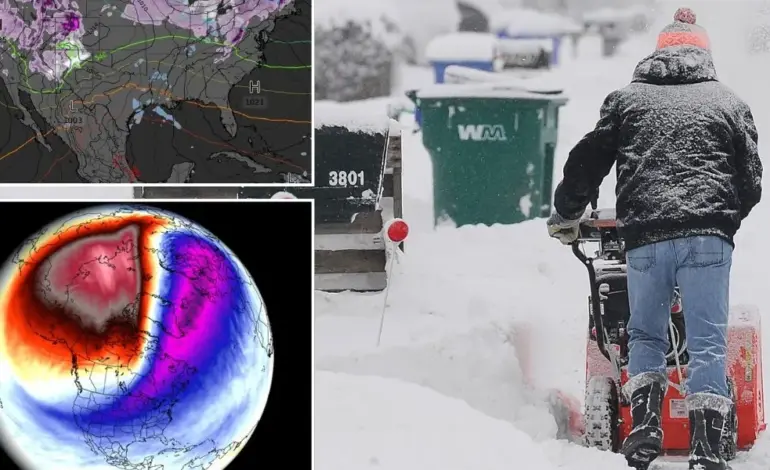
The polar vortex is not a single entity but rather a large and persistent cyclone, rocking around the polar regions. During winter, it becomes stronger and more defined. However, various factors—such as warming trends—can weaken the vortex, causing it to collapse. This usually leads to a southward movement of Arctic air, bringing harsh cold to mid-latitude regions.
Current Forecasts and Conditions
As of early November 2023, meteorological data indicates that the polar vortex is showing signs of instability. Experts from the National Oceanic and Atmospheric Administration (NOAA) have warned that a significant disruption to the polar vortex could occur this winter. The collapse might unleash cold Arctic air and could lead to significant snowfall events across parts of the United States, particularly in the Midwest and Northeast.
Forecasters predict that the first half of winter could see fluctuating patterns, with periods of extreme cold followed by milder weather. These oscillations are largely tied to the behavior of the polar vortex, which can sometimes allow cold Arctic air to push further south than usual.
Implications of a Polar Vortex Collapse
The potential collapse of the polar vortex could have far-reaching effects. Regions that typically enjoy moderate winter conditions may find themselves grappling with unseasonably cold temperatures and heavy snowfall. Moreover, such shifts can disrupt transportation and logistics, threaten agriculture, and impact energy consumption significantly.
Conclusion
As winter approaches, the forecast for a potential polar vortex collapse remains a topic of great interest. While many uncertainties persist, understanding the science behind the polar vortex is vital for anticipating the possible weather outcomes. It serves as a reminder of how interconnected and complex global weather systems are. Monitoring updates from meteorological agencies will be key for those living in areas that could be impacted by this phenomenon.