Minnesota Church Protest Arrests Ignite Community Dialogue
Introduction
In a recent turn of events, protests outside a Minnesota church have resulted in multiple arrests, drawing attention to broader community issues such as housing and social justice. These protests, highlighting the demand for change and accountability, demonstrate the community’s commitment to voicing concerns about systemic inequalities.
Details of the Protests
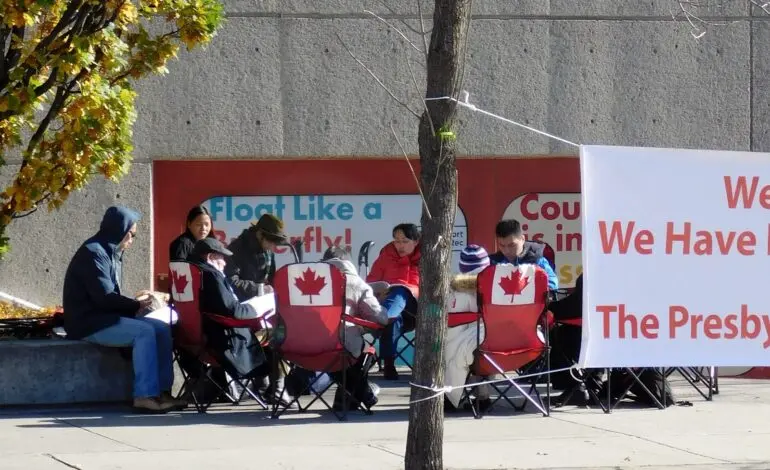
The protests began last Saturday at Grace Lutheran Church in Minneapolis, organized by local activists and community members. Demonstrators gathered to protest against the church’s alleged ties to controversial policies and practices that they claim perpetuate housing instability and neglect vulnerable populations. According to protest organizers, the church has been slow to address community needs, prompting the collective outcry from local residents.
Police reported that approximately 50 individuals participated in the protest. Tensions escalated when demonstrators attempted to enter the church grounds, leading to clashes with law enforcement. By the end of the day, at least ten people were arrested, primarily for disorderly conduct and obstructing an emergency response.
Community and Church Responses
In response to the protests, members of the church’s congregation expressed a mix of support and discontent. Some members voiced their agreement with the protestors, advocating for the church to take a more active role in community enrichment and outreach. Others criticized the demonstrators’ methods, arguing that such actions disrupt services and harm the church’s reputation.
The church’s leadership, facing mounting pressure, released a statement expressing their commitment to social justice and community service. They emphasized their intention to engage with community leaders and protestors to address the issues at hand, stating, “We are dedicated to listening and ensuring that our actions align with our faith and community values.”
Conclusion
The Minnesota church protest arrests have opened a vital dialogue on the topics of community accountability, social justice, and the responsibilities of faith institutions. As discussions move forward, residents and faith leaders alike may find common ground in seeking solutions to systemic challenges. This incident underscores the importance of civic engagement and the power of collective action in effecting change. Whether the church will follow through with commitments to address these issues remains to be seen, but the community is poised to continue advocating for their needs.