The Enduring Legacy of Frankenstein in Modern Culture
Introduction
Mary Shelley’s ‘Frankenstein’, published in 1818, remains one of the most significant works in the canon of Gothic literature. Its exploration of scientific ethics, the nature of humanity, and the consequences of unchecked ambition continue to resonate in today’s society. With recent advances in technology and synthetic biology, the themes of this classic novel have found renewed relevance, sparking conversations about morality and scientific responsibility.
The Influence of Frankenstein
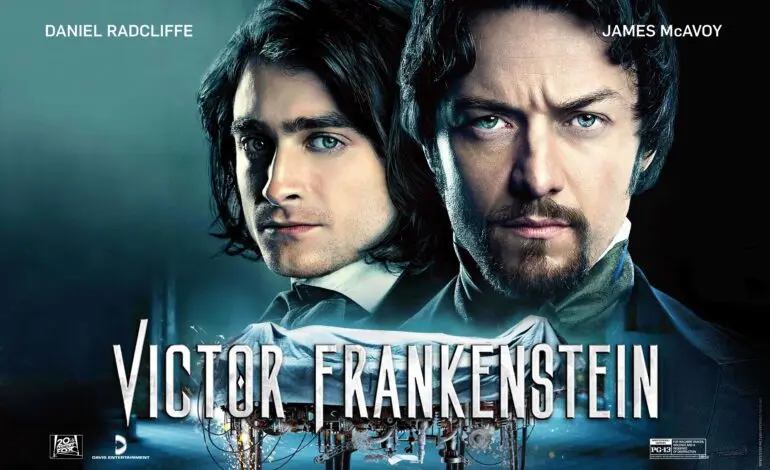
In the years since its publication, ‘Frankenstein’ has profoundly influenced literature, film, and philosophy. The book’s protagonist, Victor Frankenstein, serves as a cautionary figure representing the dangers of hubris and scientific overreach. In recent months, adaptations and reinterpretations of Shelley’s work have emerged, highlighting its contemporary relevance. For instance, the release of a new theatrical adaptation by a prominent theater company in New York has drawn considerable attention, prompting discussions about how the story reflects modern societal issues, such as artificial intelligence and genetic engineering.
Frankenstein in Popular Media
Recent films and TV shows have also revisited the ‘Frankenstein’ narrative, often with a twist that relates to contemporary fears and technologies. A popular streaming service recently aired a series that reimagines the legend of Frankenstein, addressing modern-day ethical dilemmas in genetics. This adaptation emphasizes the character’s internal struggles and moral conflict, aligning with current debates about bioethics and the boundaries of scientific exploration.
Conclusion
The ongoing relevance of Mary Shelley’s ‘Frankenstein’ in today’s culture serves as a reminder of the power literature holds in addressing complex issues. As society navigates the rapid advancements in science and technology, Shelley’s cautionary tale remains an important reflection on the responsibilities that come with innovation. The enduring legacy of ‘Frankenstein’ challenges readers and creators alike to consider ethical implications, making it a timeless piece that will continue to inspire discussion for years to come.