Desmond Howard: A Legacy of Excellence in Football
Introduction
Desmond Howard is a name that resonates with football fans around the world. As a remarkable athlete and an accomplished sports commentator, his contributions to the game extend far beyond his playing career. His journey from a star college player at the University of Michigan to winning the prestigious Heisman Trophy in 1991 showcases not only his exceptional talent but also the influence he has had on the sport. In an era when college football continues to evolve, understanding Howard’s impact remains crucial.
Career Achievements
Howard’s football career began at the University of Michigan, where he demonstrated explosive speed and agility as a wide receiver and return specialist. His outstanding performance in 1991 not only earned him the Heisman Trophy but also solidified his place in college football history as a remarkable playmaker. After being drafted by the Washington Football Team in 1992, Howard went on to play for several NFL teams including the Green Bay Packers, where he became known for his electrifying kick returns and incredible receiving skills.
One of Howard’s most memorable moments occurred during Super Bowl XXXI when he returned a kickoff 99 yards for a touchdown, helping the Packers secure the championship. His ability to change the game’s momentum earned him the title of Super Bowl MVP, making him one of the few special teams players to achieve this honor.
Transition to Broadcasting
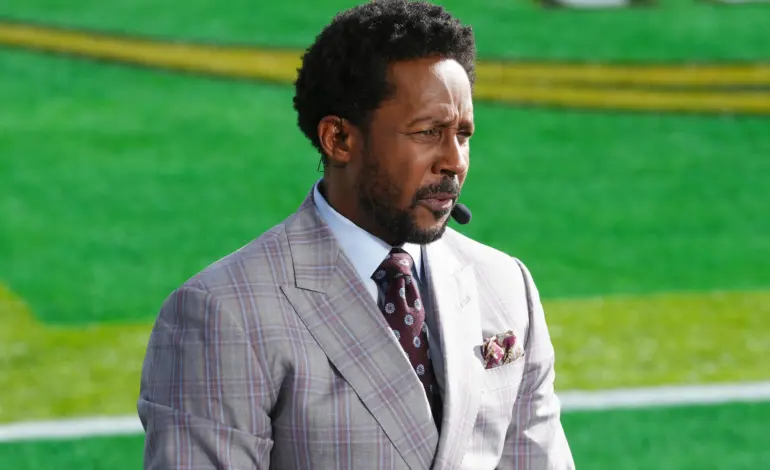
After retiring from professional football, Desmond Howard transitioned into broadcasting, where his charismatic personality and in-depth understanding of the game made him a favorite among fans. As an analyst for ESPN’s College GameDay, Howard shares his insights on the latest college football matchups and trends, helping shape public opinion and fanfare surrounding the sport. His transition highlights the importance of former athletes in media, as they bridge the gap between the field and the fans.
Conclusion
Desmond Howard’s legacy is one of excellence, resilience, and a profound connection to the sport of football. As college football continues to grow, Howard’s influence on the game remains relevant, reminding fans of the excitement and passion that football brings to millions. With his ongoing contributions as a commentator, he not only enriches the viewing experience but also inspires the next generation of athletes. The future holds great potential for Howard as he continues to shape both the narrative of college football and its place in American culture.