NDMA’s Role in Nagaland’s Earthquake Preparedness Drill
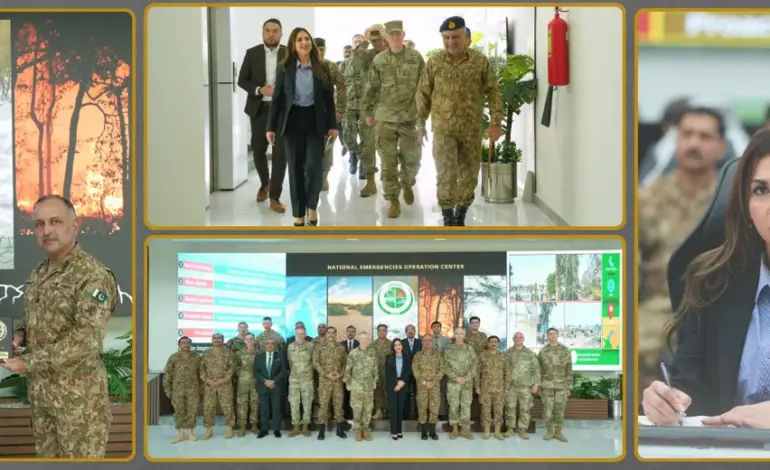
Nagaland recently conducted large-scale disaster preparedness mock drills simulating a 7.7-magnitude earthquake to enhance emergency response readiness across multiple districts. This initiative, organized by the Nagaland State Disaster Management Authority (NSDMA) in collaboration with the National Disaster Management Authority (NDMA), aimed to test the effectiveness of local emergency services and community participation.
The eighth edition of this state-level mock exercise focused on scenarios that could lead to catastrophic outcomes—termed the ‘mother of disasters.’ The drill assessed coordination among various departments and the effectiveness of communication channels essential for disaster response. As Abhijit Sinha noted, “The exercise assessed coordination among departments and the effectiveness of communication channels—both critical in disaster response.”
Key components of the exercise:
- The drill simulated landslides, damage to Dimapur airport, and building collapses causing casualties.
- Community participation was integral, with local residents often acting as first responders.
- A Civil Defence air raid and blackout exercise, ‘Operation Night Guard,’ was also incorporated into the drill.
This year’s exercise was particularly impact-based, featuring district-specific scenarios that included estimated casualties and resource needs. Maj Gen K.J. Bahl emphasized this approach, stating, “This year’s drill was impact-based, with district-specific scenarios including estimated casualties and resource needs.” The involvement of local communities not only enhances preparedness but also fosters a culture of resilience.
Nagaland lies in Seismic Zone V, a region highly susceptible to earthquakes. Given this reality, such mock drills are crucial for improving overall disaster management strategies. Officials have yet to confirm if any adjustments will be made based on feedback from participants or if further drills are planned for the near future.
As Rupin Sharma pointed out, “Public feedback is important as ordinary citizens might face challenges during disasters that authorities may not immediately perceive.” This highlights a vital aspect of disaster preparedness: understanding community needs can significantly influence response strategies.