Met: Iran’s Parliament Speaker Warns Any US Invasion Will Be with Decisive Response
Reaction from the field
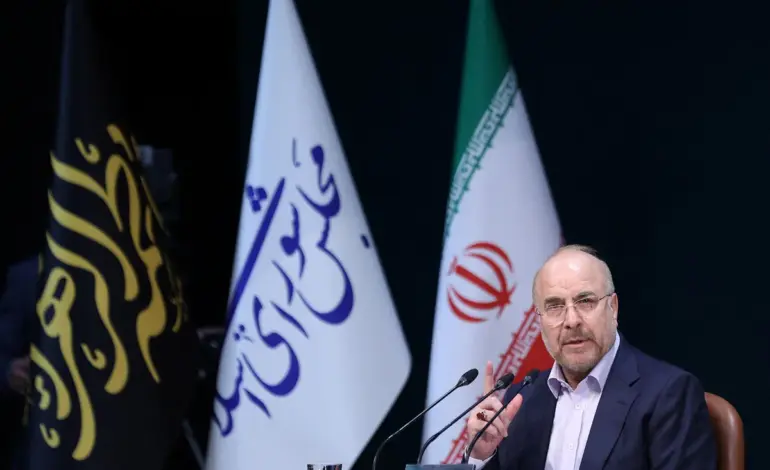
The recent warning from Iranian Parliament Speaker Mohammad Bagher Ghalibaf underscores a significant escalation in rhetoric regarding potential US military actions in the region. Ghalibaf’s declaration that any ground invasion by the US would be met with a “relentless” and “decisive” response highlights the high stakes involved. This statement not only reflects Iran’s defensive posture but also signals a readiness to confront perceived aggression head-on.
Ghalibaf’s remarks come amid accusations that the US is using diplomatic overtures as a façade for secret invasion plans. This assertion raises questions about the nature of US-Iran relations, particularly in light of the ongoing tensions surrounding the strategically vital Strait of Hormuz. The Strait is a critical chokepoint for global oil shipments, and any military confrontation there could have dire implications for international energy markets.
In his speech, Ghalibaf emphasized that Iranian forces are “waiting” for any US soldiers attempting a ground entry, indicating a heightened state of alert within the Iranian military. Furthermore, he stated that Tehran would no longer distinguish between US and Israeli actions, suggesting a potential broadening of Iran’s military response to include perceived threats from Israel as well.
Ghalibaf’s warning is not an isolated incident but part of a broader narrative of escalating tensions between Iran and the US. The historical context of these relations is fraught with conflict, particularly following the US withdrawal from the Joint Comprehensive Plan of Action (JCPOA) in 2018, which has led to increased hostilities and military posturing from both sides.
Supporting these claims, Ghalibaf’s statement, “If they hit one, they’ll take several back,” serves as a stark reminder of Iran’s commitment to retaliate against any military aggression. This rhetoric is indicative of a nationalistic sentiment that resonates with many Iranians, particularly in the face of perceived external threats.
As the situation develops, the international community watches closely. The potential for miscalculation or misunderstanding in such a volatile environment is significant. With both sides entrenched in their positions, the prospect for dialogue appears limited, and the risk of conflict remains high.
Details remain unconfirmed regarding any specific US military plans, but the Iranian leadership’s response suggests a readiness to engage in a conflict that could have far-reaching consequences for regional stability. As tensions continue to mount, the world is left to ponder the implications of a potential military confrontation in the Middle East.