Wynton Marsalis: Jazz Legend and Cultural Leader
Introduction
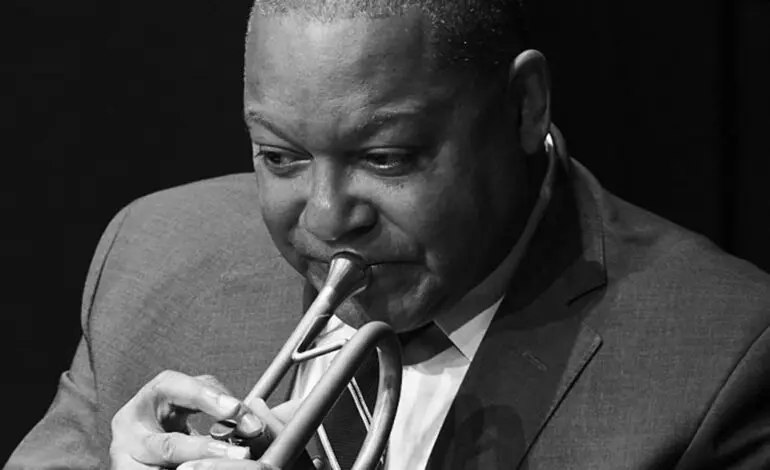
Wynton Marsalis, a towering figure in the world of jazz and classical music, has become synonymous with the renaissance of the American art form. His contributions extend beyond his trumpet playing; he is also a passionate advocate for arts education and cultural inspiration. In recent years, Marsalis has gained even more recognition for his efforts to connect music with social issues, highlighting the relevance of jazz in today’s society.
His Musical Journey
Born on October 18, 1961, in New Orleans, Louisiana, Wynton Marsalis first picked up the trumpet at the age of 12. He studied at the Juilliard School before quickly rising to fame in the 1980s as both a jazz and classical musician. Marsalis has won multiple Grammy Awards—ten in total—and was awarded the Pulitzer Prize for Music in 1997 for his oratorio, “Blood on the Fields.” His work covers a range of genres including jazz, classical, and even hip-hop, showcasing his versatility and commitment to innovation.
Recent Events and Projects
In 2023, Marsalis continued to push the boundaries of jazz with the release of his latest album, “Sing the World Awake,” which reflects on the interplay between sound and social consciousness. He has also been active in education, running programs that introduce young students to jazz. Festivals and concerts featuring Marsalis have drawn attention worldwide, especially his annual performances at Jazz at Lincoln Center in New York City, where he serves as artistic director.
Additionally, recent collaborations with artists across diverse musical backgrounds signify his commitment to inclusivity in music. Through these partnerships, Marsalis emphasizes that jazz is not merely a genre but a cultural dialogue that addresses pressing social issues such as racial equality and community unity.
Conclusion
Wynton Marsalis stands at the helm of jazz, not just as a performer, but as a thinker and educator. His efforts to parallel musical artistry with societal progress resonate with audiences of all ages. Looking ahead, Marsalis’s vision for jazz as a tool for education and activism suggests a bright future for the genre. His ongoing work will likely inspire the next generation of musicians while reminding society of the transformative power of art.