What is PL and Why It Matters in Today’s Economy

Introduction to PL
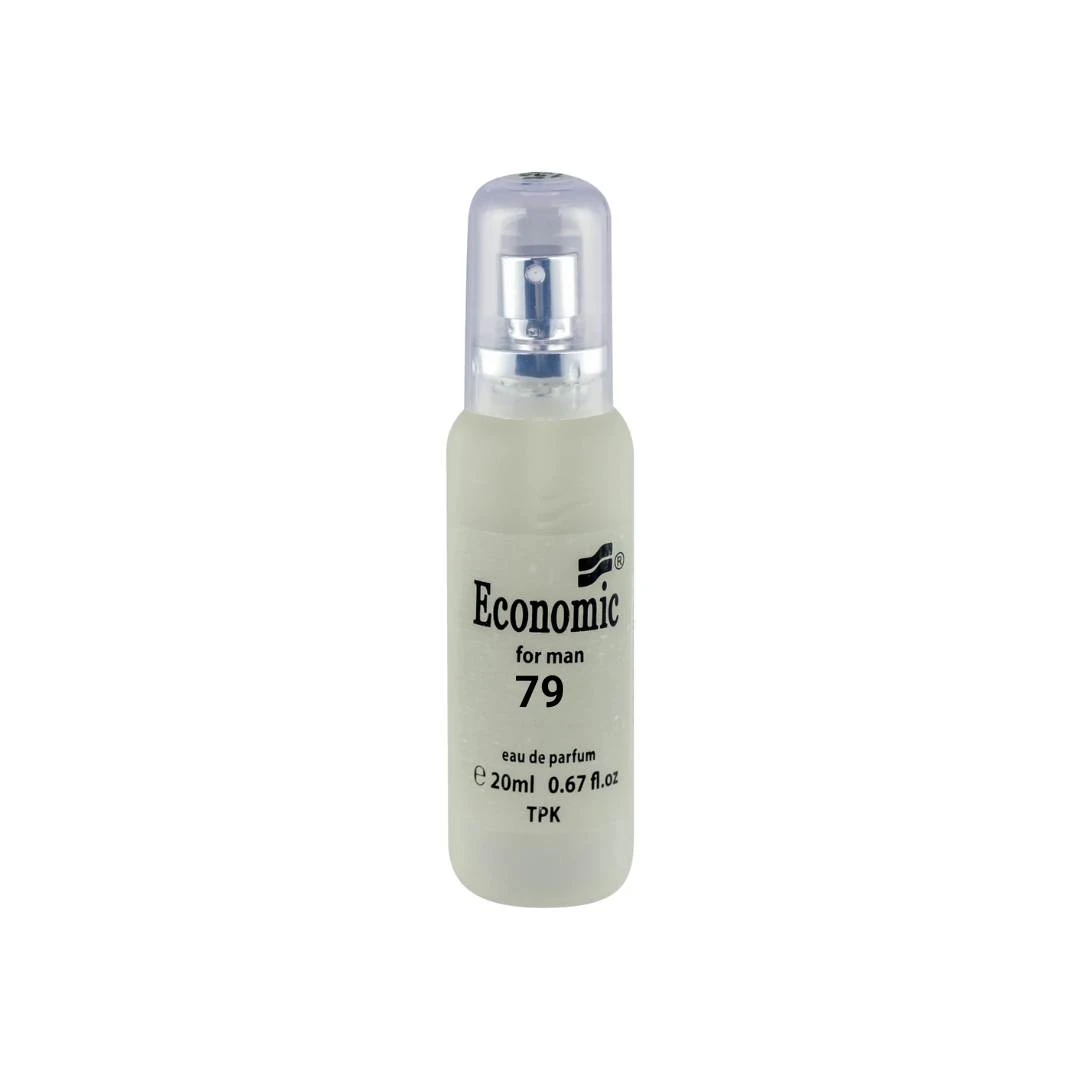
PL, or Private Label, refers to products branded by a retailer or a distributor rather than the manufacturer. This concept has gained remarkable traction in recent years, particularly amidst growing consumer demand for affordable yet quality products. With private label offerings typically providing higher margins than national brands, retailers are increasingly embracing PL, marking it as a pivotal component of their business strategy. The importance of PL cannot be understated, as it reshapes consumer behavior, influences purchasing decisions, and allows retailers to carve a unique brand identity in a competitive market.
The Rise of Private Label Brands
According to a 2023 study by NielsenIQ, private label products now account for approximately 20% of total grocery sales in the United States, exhibiting a consistent annual growth rate of 4% over the past three years. The COVID-19 pandemic has further accelerated this trend, as consumers have gravitated towards value-oriented options. Many retailers, including Walmart and Costco, have significantly expanded their private label offerings, allowing them to compete directly with established brands while offering consumers a more budget-friendly alternative.
Benefits of Private Label Products
Retailers enjoy several advantages with their private label products. Firstly, by controlling the supply chain, they can effectively manage quality, pricing, and availability, ultimately enhancing customer loyalty. Secondly, PL allows retailers to differentiate themselves from competitors, creating a unique shelf presence that draws in customers. Moreover, with consumers becoming more price-sensitive, the appeal of high-quality private label products continues to rise, allowing retailers to attract cost-conscious shoppers without compromising quality.
Challenges and Considerations
However, the PL landscape is not without its challenges. Retailers must invest in product development, packaging, and marketing to successfully launch and sustain private label lines. Additionally, as more retailers recognize the potential of PL, competition in this category intensifies, requiring continual innovation and adaptation to stay relevant. Moreover, ensuring consistent quality and consumer trust is critical for sustained growth in this sector.
Conclusion: The Future of PL
In conclusion, private label products represent a significant opportunity for retailers aiming to bolster their margins and meet evolving consumer needs. As the market for PL expands, retailers that adeptly navigate the associated challenges while leveraging consumer trends will likely emerge as leaders in their sectors. For consumers, the ongoing evolution of private label products promises greater variety and value, making it easier to find high-quality options that fit their budgets. The future of PL appears bright, underscoring its importance in shaping retail strategies and consumer choices alike.