The Significance of Jonathan Haidt in Modern Discourse
Introduction to Jonathan Haidt
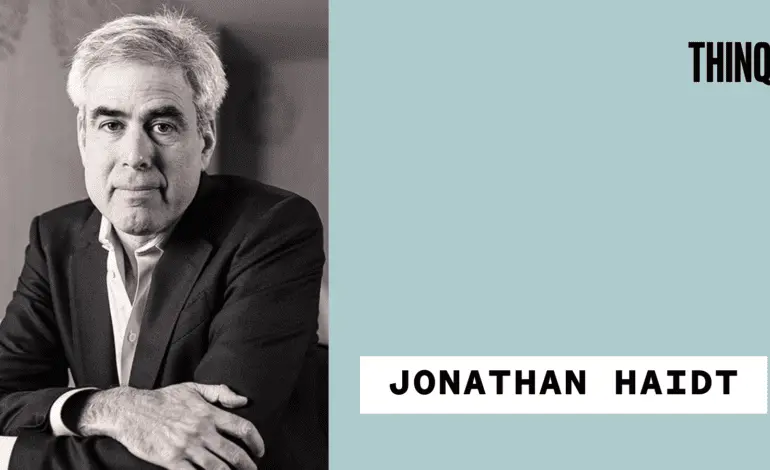
Jonathan Haidt, a prominent social psychologist, has become a pivotal figure in contemporary discussions surrounding culture, morality, and politics. His work addresses the increasing divide in society, particularly among younger generations, and offers valuable insights into how we can foster understanding amidst polarization. As discussions around freedom of speech, social justice, and moral psychology gain traction, Haidt’s research remains highly relevant.
Main Contributions and Key Ideas
Haidt is best known for his books, including The Righteous Mind and The Coddling of the American Mind. In The Righteous Mind, he explores how different moral foundations shape our political beliefs and social interactions. He argues that understanding these foundations can lead to better conversations between opposing viewpoints. One of his core messages is that morality is rooted in culture and emotions, rather than pure rationality.
His work on social media and its effects on public discourse highlights significant concerns about the emergence of echo chambers that reinforce divisive attitudes. Haidt’s analysis of how online platforms amplify the ‘outrage culture’ has sparked debates about the responsibility of tech companies and the need for media literacy. Furthermore, he emphasizes the importance of civil discourse as a foundation for democracy and encourages educational reforms to nurture resilience in young people.
Recent Developments
As of late 2023, Haidt continues to promote dialogue and understanding through his initiatives and public speaking engagements. He has become a sought-after voice in discussions about the implications of identity politics and campus culture, emphasizing the need for open dialogue to bridge ideological divides. His recent appearances at conferences and universities affirm his commitment to addressing the challenges of a fragmented society.
Conclusion and Implications for Society
Haidt’s contributions to psychology and cultural criticism are not only essential for understanding today’s social dynamics but also for fostering a more collaborative future. By advocating for empathy and open-mindedness, he challenges individuals to engage with diverse perspectives respectfully. As America, and the world at large, continues to navigate complex issues of identity, morality, and governance, Haidt’s insights encourage a path towards dialogue over division.
In conclusion, Jonathan Haidt’s research and advocacy serve as a crucial compass in our efforts to understand and overcome the challenges of a divided society. His emphasis on shared humanity and moral understanding remains an important message for all, underscoring the need for connection and understanding in an increasingly polarized world.