Exploring Kazakhstan: History, Culture, and Significance
Introduction
Kazakhstan, the largest landlocked country in the world, holds a unique position both geographically and culturally in Central Asia. With a rich tapestry of history influenced by nomadic traditions and diverse ethnic backgrounds, it plays a vital role in the geopolitical landscape of the region. Understanding Kazakhstan’s significance is crucial to appreciating its impact on global affairs, particularly in areas such as energy security, economic development, and cultural exchange.
Geographical Significance
Located in the heart of Eurasia, Kazakhstan shares borders with notable countries, including Russia, China, Kyrgyzstan, Uzbekistan, and Turkmenistan. This strategic location has made it an essential transit hub for trade and energy pipelines between Europe and Asia. The country’s diverse landscape ranges from vast steppes and mountains to deserts and lakes, offering a variety of natural resources, particularly oil and gas, which are key to its economy.
Historical Background
Kazakhstan has a complex history that includes influences from Mongol, Persian, and Russian empires. The country declared independence from the Soviet Union in 1991, marking a significant turning point. Since then, it has developed a unique national identity, promoting cultural heritage while also embracing modernization. Celebrations like Nauryz, the Persian New Year marked on March 21, reflect the country’s commitment to preserving its rich traditions.
The Cultural Mosaic
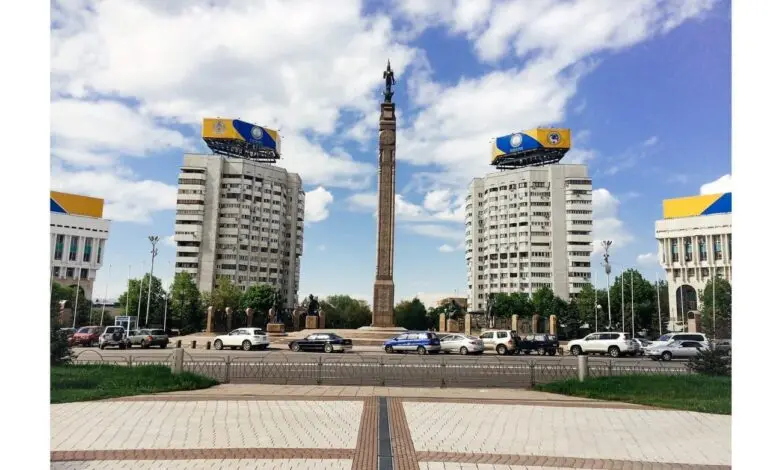
The population of Kazakhstan is a melting pot of ethnicities, including Kazakhs, Russians, Uzbeks, Ukrainians, and more. This diversity is celebrated through festivals, cuisine, music, and art forms that highlight the intertwining of different cultures. Cities like Almaty and Nur-Sultan (formerly Astana) showcase a blend of historic and modern architecture, reflecting the country’s journey toward global engagement.
Current Events and International Relations
In recent years, Kazakhstan has gained recognition for its diplomacy and role in fostering regional stability. The country actively participates in international organizations and initiatives, such as the Organization for Security and Co-operation in Europe (OSCE) and the Shanghai Cooperation Organization (SCO). President Kassym-Jomart Tokayev has emphasized political reforms and economic diversification, acknowledging the need for a sustainable future.
Conclusion
Kazakhstan’s unique characteristics and strategic importance cannot be understated. As the country continues to develop economically and politically, its role on the global stage will likely grow, offering opportunities for investment, cultural exchange, and cooperation. Understanding Kazakhstan is critical for stakeholders interested in Central Asia’s future dynamics and the interplay of cultures in an increasingly interconnected world.