Cain Velasquez’s New Chapter After MMA: An Overview
Introduction
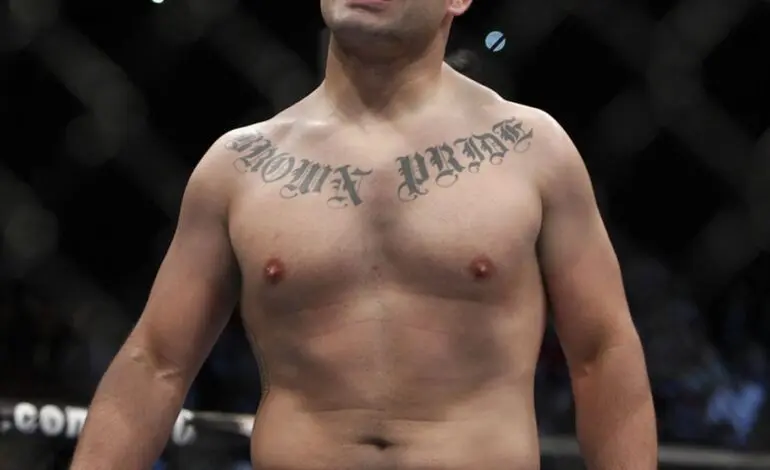
Cain Velasquez, a former UFC heavyweight champion and one of the most celebrated fighters in mixed martial arts history, has captured the attention of sports fans and the general public alike, particularly after his recent legal dilemmas. His journey within and beyond the octagon illustrates not only the complexities of an athlete’s life but also the challenges they may face after retirement.
The Rise to Fame
Velasquez made headlines as a dominant force in the UFC, known for his exceptional wrestling abilities and striking power. His successful reign began when he claimed the heavyweight title in 2010 by defeating Brock Lesnar at UFC 121. Over the following years, he defended his title successfully against top competitors, solidifying his status as one of the sport’s greatest. However, injuries plagued his career, leading to an eventual retirement announcement in 2019.
Legal Troubles and Public Sentiment
Recently, Velasquez faced significant legal issues after an incident involving a shooting that left him charged with attempted murder. His legal battles have sparked widespread media coverage and public discourse, raising questions about the mental health of athletes after their professional careers. Supporters have rallied behind Velasquez, arguing that his actions stemmed from deep personal trauma and a desire to protect his family. As a key figure in mixed martial arts, his situation has ignited discussions about the challenges fighters often endure once they leave the high-pressure world of competition.
Community Engagement and Future Prospects
Despite the controversies, Velasquez remains a prominent figure in the sports community. He is involved in several charitable initiatives aimed at helping youth in underserved communities. The former champion expresses a desire to use his platform to make a positive impact, shifting the focus from his recent legal struggles to constructive engagements in society.
Conclusion
Cain Velasquez’s journey continues to unfold as he confronts his challenges both inside and outside the courtroom. His legal issues shine a light on the mental health struggles athletes face post-career, emphasizing the need for support systems for former athletes. As he navigates this new chapter, fans and advocates alike hope for a positive resolution that will allow him to return to a more public role, perhaps as a mentor for young fighters or a community leader. The discussions surrounding his legal troubles will likely influence how stakeholders in mixed martial arts approach athlete welfare and support in the future.