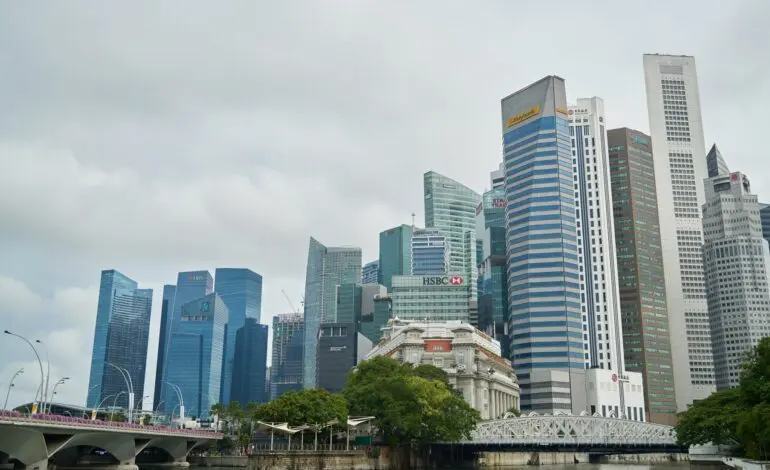
Asia: A Region of Dynamic Changes and Opportunities

Introduction
Asia has emerged as a crucial player on the global stage, accounting for more than 60% of the world’s population and showcasing rapid economic growth, cultural diversity, and geopolitical significance. With nations like China, India, and Japan driving innovation and trade, understanding the developments in Asia is essential for grasping the future landscape of global affairs.
Economic Growth and Global Influence
Asia’s economies have shown resilience amid global uncertainties. According to the Asian Development Bank, Asia’s GDP is expected to grow by 4.7% in 2023, fueled by recovery from the pandemic and strong consumer demand. China remains the region’s powerhouse, while India is predicted to become the fastest-growing major economy, reflecting a transformation towards a digital economy and a young demographic dividend.
Furthermore, the Comprehensive Regional Economic Partnership (RCEP), which came into effect in 2022, solidifies Asia’s economic cooperation. By fostering trade among member nations, RCEP aims to enhance value chains, thereby positioning Asia as a central hub in the global marketplace.
Geopolitical Tensions and Collaborative Efforts
While Asia’s economic landscape flourishes, geopolitical tensions are also on the rise. The South China Sea remains a focal point of territorial disputes, drawing concerns from not only neighboring countries but also global powers like the United States. Conversely, recent efforts in diplomacy, such as ASEAN’s initiatives to ensure regional stability and cooperation, demonstrate Asia’s commitment to collaborative conflict resolution.
Cultural Dynamics and Sustainable Development
Asia is also a tapestry of rich cultures and traditions. Countries like Japan and South Korea have influenced global pop culture through media and technology. Concurrently, there is a significant emphasis on sustainable development as Asian nations face challenges like urbanization and climate change. Policies promoting green technology and renewable energy are becoming increasingly vital, especially in countries like India, which is set to invest heavily in solar power.
Conclusion
The significance of Asia cannot be overstated as it navigates the dual challenges of harnessing economic potential while addressing political intricacies and environmental concerns. As nations within this dynamic continent continue to shape the global landscape, the world watches closely. The ongoing developments in Asia highlight the importance of understanding this region for anyone interested in global affairs, economics, or cultural exchanges. The next few years may indeed define the future of not just Asia, but the world as a whole.