Understanding Presidents Day and Its Federal Holiday Status
Introduction
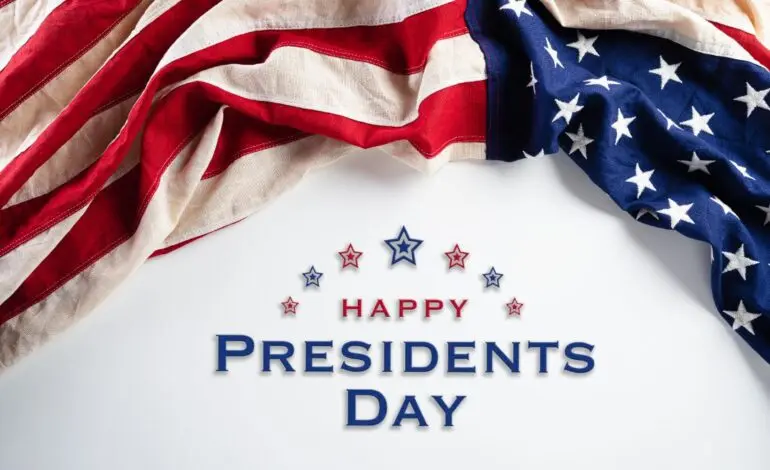
Presidents Day, celebrated on the third Monday of February, is a significant holiday in the United States. While many Americans look forward to this long weekend, questions often arise regarding its status as a federal holiday. Understanding the implications of this title not only aids in planning but also highlights the holiday’s historical context.
What Is Presidents Day?
Presidents Day, officially known as Washington’s Birthday, was established by Congress in 1879 to honor George Washington, the first President of the United States. Over the years, the holiday evolved to celebrate all U.S. presidents, particularly Abraham Lincoln, who shares a February birthday. The Uniform Monday Holiday Act of 1971 aimed to provide workers with more three-day weekends, resulting in Presidents Day being observed on the third Monday in February.
Federal Holiday Status
As it stands, Presidents Day is recognized as a federal holiday; however, it is not one of the ten federal holidays where the federal government mandates a day off for all employees. This means that while federal offices are closed, state offices and private businesses have the discretion to remain open. Workers in certain sectors, such as retail and hospitality, may work on this day, though many take advantage of sales and promotions that accompany the holiday.
Celebration and Observance
The observance of Presidents Day varies widely across the United States. In many regions, schools are closed, and various events are organized to celebrate the contributions of past presidents. Events may include parades, historical reenactments, and educational programs. Retailers also play a significant role in commemorating the day, offering sales that attract consumers looking to make the most of the holiday.
Conclusion
In conclusion, Presidents Day, while officially a federal holiday, does not see universal observance as all sectors are not mandated to close. The holiday serves as a reminder of the rich history of the presidency in the United States and continues to foster an appreciation for America’s leaders. As the third Monday of February approaches, Americans can anticipate a mix of celebrations and retail opportunities that uphold the holiday’s significance. Understanding its status encourages individuals to engage meaningfully with the commemoration of their leaders.