What is Davos and Why It Matters in Today’s World
Introduction
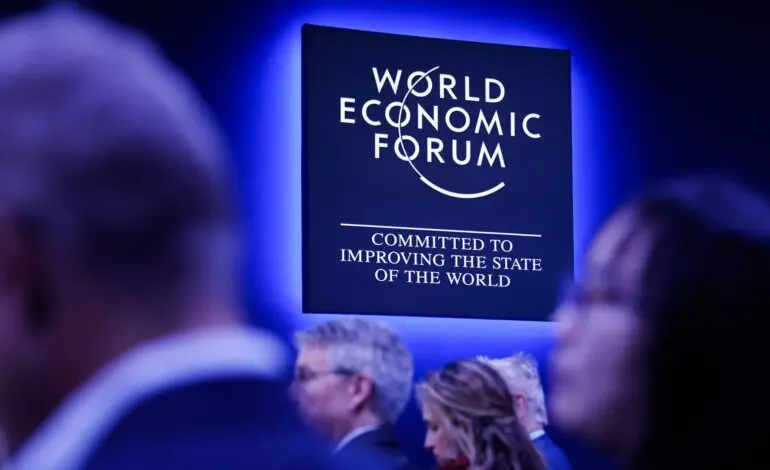
Davos is a small town in the Swiss Alps that has gained international prominence as the host of the annual World Economic Forum (WEF). Established in 1971, the WEF is a non-governmental organization committed to improving the state of the world. Every January, leaders from business, politics, academia, and civil society gather in Davos to discuss pressing global issues such as economic growth, climate change, and social inequality. The significance of Davos extends beyond its picturesque landscape; it serves as a crucial platform for crafting solutions to the world’s most urgent challenges.
Key Events and Discussions
This year, the 2024 World Economic Forum is expected to address the theme “Cooperation in a Fragmented World,” reflecting the growing geopolitical tensions and economic disparities. Forums will include discussions on technology’s role in sustainable development, the future of work in a post-pandemic world, and the rapid evolution of artificial intelligence. Notable speakers, including heads of state and CEOs of major corporations, will showcase innovative ideas and share their visions for collaboration.
In addition to high-level discussions, Davos is known for its informal networking opportunities, allowing participants to form alliances and partnerships essential for driving change. For instance, initiatives such as the ‘Great Reset’ campaign, launched after the COVID-19 pandemic, emphasize the need for a sustainable economic model that prioritizes environmental health and social equity.
Global Impact and Criticism
The impact of Davos is significant, as it draws media attention and shapes public opinion on vital issues. However, it is also subject to criticism. Detractors often argue that the exclusivity of the event limits the representation of marginalized voices and the grassroots movements essential for genuine change. Activists frequently gather outside the conference venue to voice concerns over the decisions made behind closed doors and advocate for a more inclusive approach to global governance.
Conclusion
As the world increasingly grapples with complex challenges, the conversations taking place at Davos remain critical for fostering international cooperation. With its blend of esteemed participants and high-stakes discussions, Davos serves as a vital forum for exploring innovative solutions. While the debates can provide valuable insights and spur action, a comprehensive approach to these issues must also consider input from a broader range of stakeholders beyond the elite of the world. As we look ahead, the relevance of Davos will likely continue to evolve, reflecting the changing landscape of global interconnectedness.