The Impact of Kim Jong Un on North Korean Politics
Introduction
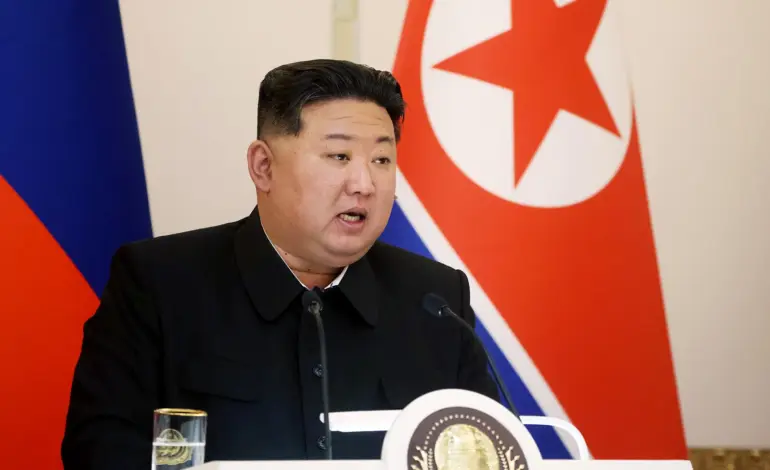
Kim Jong Un, the Supreme Leader of North Korea, has become a prominent figure in global politics since taking power in 2011. His leadership style and the policies he has implemented have generated significant discussion and concern among world leaders and international observers. As North Korea continues to pursue its nuclear ambitions, the actions of Kim Jong Un carry weight not only for the Korean Peninsula but for global security as a whole.
The Current Political Climate
Since his ascension to power, Kim Jong Un has maintained a tight grip on North Korea’s political structure and has demonstrated a willingness to assert his military might on the international stage. Over the last few months, tensions have escalated again as North Korea conducted a series of missile tests, raising alarm among neighboring countries and the United States.
These missile tests come in direct response to joint military exercises conducted by the United States and South Korea, which North Korea views as threats to its sovereignty. In a recent statement, Kim Jong Un reaffirmed his commitment to strengthening North Korea’s defense capabilities, emphasizing the nation’s right to self-defense.
International Reactions
International reactions have been varied. The U.S. has condemned the missile tests, calling for increased sanctions against North Korea. Meanwhile, China has urged for dialogue to resolve the tensions, reflecting its unique position as North Korea’s primary ally and trading partner. The division in global responses highlights the complexities of dealing with North Korea under Kim Jong Un’s regime.
Additionally, the situation underscores a growing concern regarding nuclear proliferation, as North Korea has been advancing its nuclear capabilities under Kim Jong Un’s leadership. The stakes are high, with potential implications for regional and global stability.
Conclusion
As Kim Jong Un continues to navigate both domestic and international landscapes, the future of North Korea and its relations with the world remain uncertain. His approach to governance and defense will be critical factors in determining regional security dynamics. Observers note that understanding Kim Jong Un’s motivations and strategies will be essential for policymakers aiming to address the threat posed by North Korea. The situation serves as a reminder of the ongoing geopolitical challenges that require careful diplomacy to avoid escalating conflicts.