Exploring the Timeless Appeal of Harold and Maude
Introduction
Released in 1971, Harold and Maude remains a significant film in American cinema, known for its eccentric characters and thought-provoking themes. Directed by Hal Ashby and written by Colin Higgins, the film presents an unconventional love story between a young man, Harold, who is obsessed with death, and an elderly woman, Maude, who embraces life with exuberance. It has become a cult classic, continuing to resonate with audiences more than five decades later.
Plot Overview
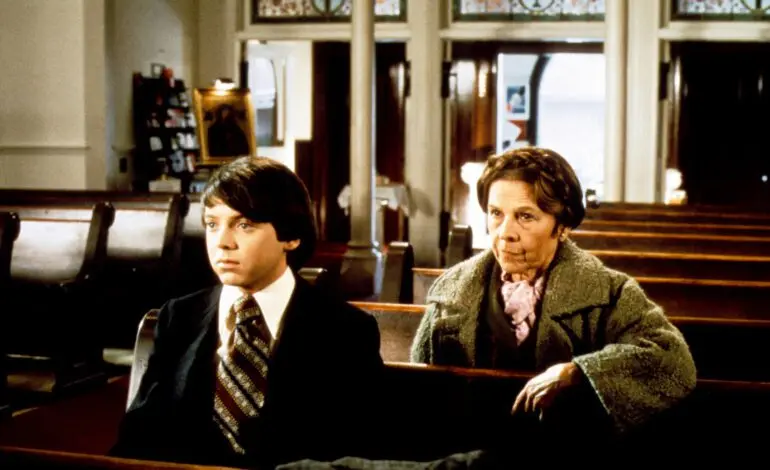
The film follows Harold Chasen (played by Bud Cort), a wealthy teenager who finds meaning in faking his own death and attending funerals. His bleak existence takes an unexpected turn when he meets Maude (played by Ruth Gordon), a lively 79-year-old woman with a zest for life. Their friendship evolves into a romantic relationship that defies societal norms and challenges the boundaries of age. Through their interactions, the film delves into existential questions about life, love, and the acceptance of death.
Critical Reception and Legacy
Initially met with mixed reviews, Harold and Maude grew in popularity over the years, particularly through college campuses and film festivals. Critics have praised its unique blend of dark comedy and poignant moments, as well as its memorable soundtrack by Cat Stevens, which adds an emotional depth to the narrative. In 1990, the film was added to the National Film Registry by the Library of Congress for its cultural, historical, and aesthetic significance.
Thematic Exploration
At its core, Harold and Maude presents themes of existentialism, individuality, and the juxtaposition of life and death. Maude’s character embodies a philosophy of living in the moment and appreciating the beauty of life, contrasting sharply with Harold’s morbid fixation. The film encourages viewers to reflect on their own attitudes towards mortality and the importance of embracing each day. It also tackles societal conventions, challenging viewers to question norms surrounding love and age.
Conclusion
Despite its age, Harold and Maude continues to influence filmmakers and resonate with audiences, serving as an enduring reminder to live life to the fullest and appreciate human connections irrespective of age. As discussions around mental health, individuality, and the nature of relationships evolve, the film’s messages remain relevant, making it a treasure trove for new generations of viewers. Whether you are discovering it for the first time or revisiting it, Harold and Maude promises to leave a lasting impression.