Amtrak: The Future of Train Travel in the United States
Introduction
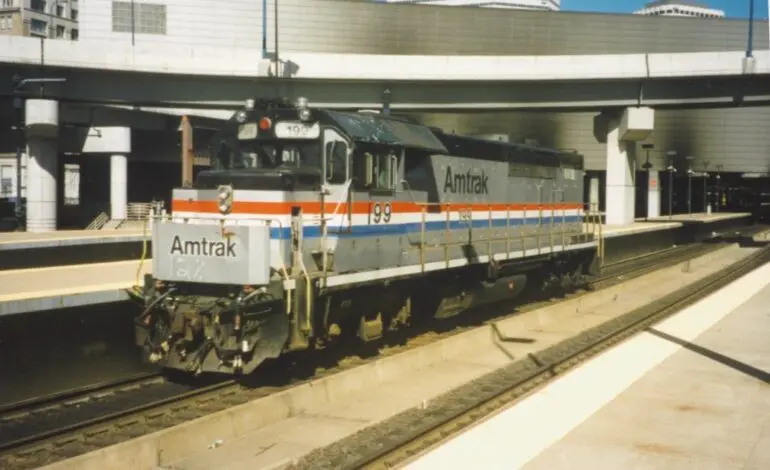
Amtrak, the National Railroad Passenger Corporation, plays a significant role in the transportation landscape of the United States. As rail travel experiences a resurgence in popularity, Amtrak’s services and enhancements have become increasingly relevant, particularly in terms of sustainability, connectivity, and accessibility for travelers across the nation. With rising fuel costs and environmental concerns, train travel presents an efficient alternative that is gaining attention.
Recent Developments and Improvements
In recent months, Amtrak has announced numerous upgrades to its services aimed at improving the passenger experience and increasing ridership. The company has received significant federal funding as part of the Bipartisan Infrastructure Law, which allocated $66 billion to improve rail services nationwide. This funding is expected to enhance the rail network, including track improvements, new station facilities, and train replacements.
This year, Amtrak began rolling out significantly updated train sets for its long-distance routes, including the new Acela trains in the Northeast Corridor. These trains feature modern amenities such as Wi-Fi, enhanced seating options, and improved onboard dining services. Moreover, Amtrak has also focused on expanding its regional routes, establishing new partnerships with local transit agencies to create seamless connections across various modes of transport.
Environmental Initiatives
As sustainability becomes a paramount concern among travelers, Amtrak is actively promoting its ecological benefits. Rail travel emits significantly fewer greenhouse gases per passenger mile compared to automobiles and airplanes. In its latest sustainability report, Amtrak laid out ambitious goals to reduce its carbon emissions by 40% by 2030 and to achieve net-zero emissions by 2045. These initiatives resonate with environmentally conscious travelers, making Amtrak a viable choice in the growing trend toward eco-friendly travel options.
Conclusion
As Amtrak continues to evolve with the changing landscape of transportation, it remains committed to enhancing its services while focusing on sustainability and connectivity. With ongoing investments and upgrades, the future of Amtrak looks promising, aligning with broader trends that favor more environmentally responsible travel. For travelers seeking convenience, comfort, and sustainability in their journeys, Amtrak presents a relevant and compelling choice as the service continues to adapt and improve. As ridership increases and the public embraces rail travel, Amtrak is set to play a pivotal role in shaping the future of long-distance transportation in the United States.