Understanding FEMA and Its Impact on Disaster Management
Introduction to FEMA
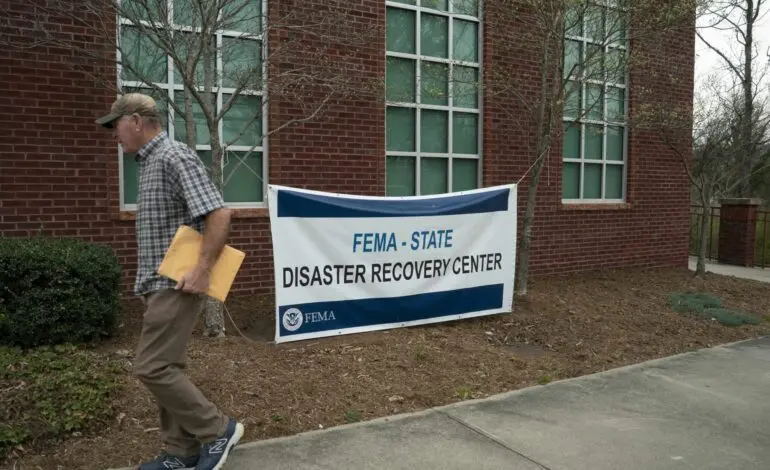
The Federal Emergency Management Agency (FEMA) plays a crucial role in disaster response and recovery across the United States. Established in 1979, FEMA coordinates the federal government’s response to natural disasters, ensuring that affected communities receive the necessary support to recover and rebuild. This agency’s relevance has grown significantly, especially in light of increasing climate-related disasters and emergency situations.
Recent Events and Actions by FEMA
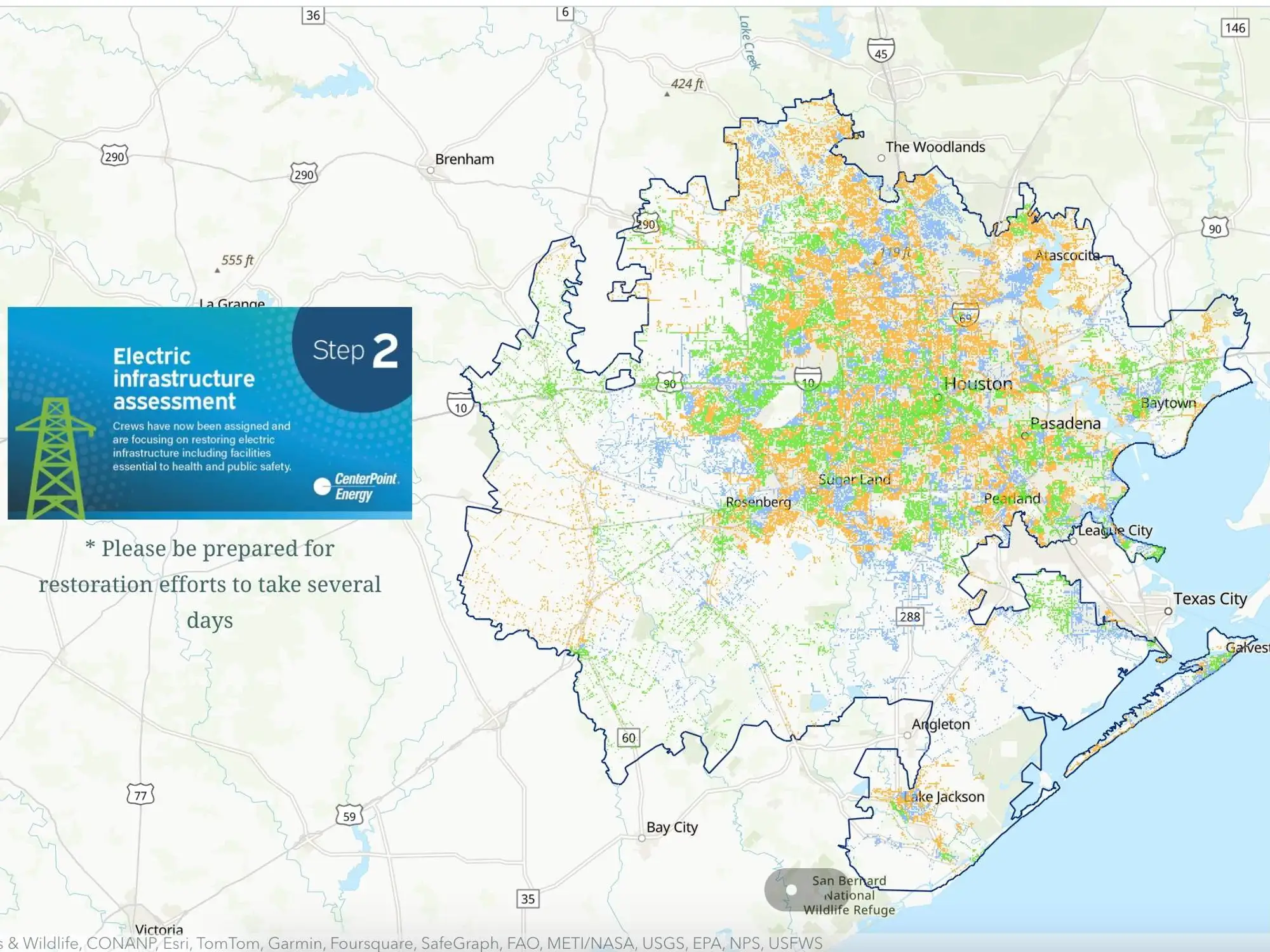
In 2023, FEMA has been particularly active in responding to a series of severe weather incidents, including hurricanes, wildfires, and flooding. Most notably, Hurricane Idalia, which made landfall in Florida in August, prompted FEMA to deploy resources and personnel to assist state and local agencies in rescue operations and recovery efforts. FEMA’s rapid response included financial assistance for individuals and families affected by the storm, with over $20 million in aid distributed in the immediate aftermath.
Additionally, FEMA launched a new initiative focused on community resilience, emphasizing the importance of preparedness in reducing disaster impacts. Through training programs and public outreach campaigns, the agency is working to equip citizens with the knowledge and resources to better withstand disasters before they strike. This proactive approach aims to minimize casualties and property damage in future emergencies.
The Importance of FEMA’s Role
FEMA’s role extends beyond immediate disaster response; it also involves long-term recovery planning and mitigation strategies. In collaboration with local governments and non-profit organizations, FEMA helps communities develop resilience plans that address vulnerabilities and enhance preparedness. In an era marked by climate change and growing natural hazards, such measures are more critical than ever.
Conclusion and Future Outlook
Looking forward, FEMA is expected to continue adapting its strategies in response to the dynamic nature of disasters. As climate events become more frequent and severe, the agency’s mission to not only respond but also mitigate the impacts of disasters will become increasingly vital. For residents, understanding FEMA’s resources and how to access them can be crucial in moments of crisis, ensuring that communities can recover swiftly and effectively. In conclusion, FEMA remains a cornerstone of disaster management in the U.S., highlighting the government’s commitment to protecting its citizens.