Exploring Recent Developments in Cameroon
Introduction
Cameroon, located in Central Africa, is a country of rich cultural diversity and remarkable natural resources. Recent events in Cameroon highlight significant political, economic, and social changes that could reshape the nation’s future. Understanding these developments is important not only for Cameroonians but also for international observers given the country’s strategic position in Africa.
Political Landscape
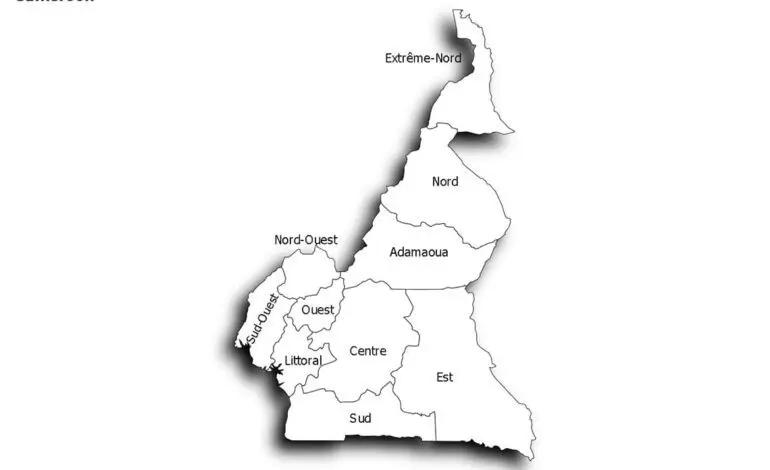
As of late 2023, Cameroon is facing critical political challenges, particularly in the English-speaking regions. The ongoing conflict between separatist forces and government troops has escalated, resulting in numerous casualties and displacements. Humanitarian organizations report that over 1.5 million people are currently in urgent need of assistance due to violence and instability. The government has committed to a national dialogue; however, many observers remain skeptical about its potential to resolve long-standing issues.
Economic Developments
Economically, Cameroon is experiencing mixed results. The country has rich natural resources, particularly oil and agriculture, which have the potential to boost its economy. However, infrastructure deficiencies and corruption remain substantial barriers to growth. In 2023, the Bank of Central African States projected a growth rate of around 4%, with key sectors like agriculture expected to lead recovery. Furthermore, international investments are slowly returning, with several foreign companies entering the market, seeking to tap into the agricultural and energy sectors.
Social Issues
Socially, Cameroon’s issues are diverse, encompassing education, health care, and youth unemployment. The youth population, constituting a majority, faces significant challenges, including a lack of job opportunities and educational resources. Youth-led movements are emerging, calling for reforms and greater participation in governance. Health care systems, strained by years of underfunding and the recent COVID-19 pandemic, are struggling to provide adequate services, particularly in rural areas.
Conclusion
In summary, Cameroon stands at a crossroads, grappling with complex political, economic, and social issues that demand urgent attention. As the government continues to navigate these challenges, the outcomes of proposed reforms and dialogues will significantly influence the lives of millions of Cameroonians. For international communities, closely monitoring these developments could provide insights into the future stability and growth of this pivotal African nation.