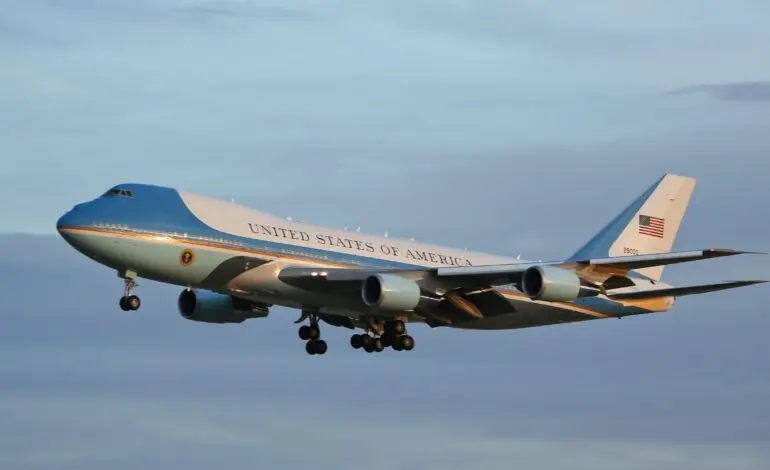
Understanding the B52 Bomber’s Role in Modern Warfare

Introduction
The B52 Bomber, formally known as the Boeing B-52 Stratofortress, has been a cornerstone of the United States Air Force since its first flight in 1952. As one of the longest-serving military aircraft in history, the B52 holds strategic importance in the U.S. nuclear deterrent force and conventional warfare capabilities. Its ability to deliver precision strikes has evolved significantly, making it a critical asset in contemporary military operations worldwide.
Historical Context and Evolution
Originally designed during the Cold War, the B52 was intended to serve as a long-range strategic bomber capable of carrying nuclear weapons. Over the decades, the aircraft has undergone numerous upgrades, enhancing its systems and capabilities to adapt to changing warfare landscapes. The B52 now features advanced avionics, weaponry, and the ability to carry both nuclear and conventional munitions, ensuring its relevance amidst modern threats.
Current Operations and Capabilities
In recent years, the B52 has been deployed in various global conflicts, including operations in the Middle East and against ISIS. Its long-range strike capability allows it to operate from bases far from conflict zones, which is vital for modern military strategies that rely on rapid response and flexibility. Additionally, the B52’s ability to carry a diverse payload—up to 70,000 pounds of bombs—enables it to conduct various missions, from heavy bombardment to precision strikes with smart munitions.
Significance for National Security
The B52 Bomber’s sustained operational role continues to play a vital part in the U.S. defense posture. Its presence serves as a deterrent against potential adversaries, reinforcing America’s commitment to collective defense with allies. Additionally, the aircraft-increased use of stand-off weapons that can be deployed at safe distances from enemy air defenses underscores its modernization and relevance in 21st-century warfare.
Future Prospects
Looking ahead, the B52 is expected to remain a key component of the U.S. Air Force’s strategic arsenal for many more years. With plans to extend its service life until at least 2050, investment in enhancing its capabilities continues, providing future policymakers with a versatile tool for addressing emerging threats. As global security dynamics evolve, the B52 Bomber will likely adapt alongside them, reaffirming its iconic status in military aviation.
Conclusion
The B52 Bomber epitomizes the blend of historical legacy and modern military utility. As nations navigate an increasingly complex geopolitical landscape, the bomber’s role within U.S. defense strategies remains indispensable. For military planners and defense analysts alike, understanding the B52’s significance offers insights into its contributions to national security and global stability.