The Legacy of Noam Chomsky: Linguist, Philosopher, and Activist
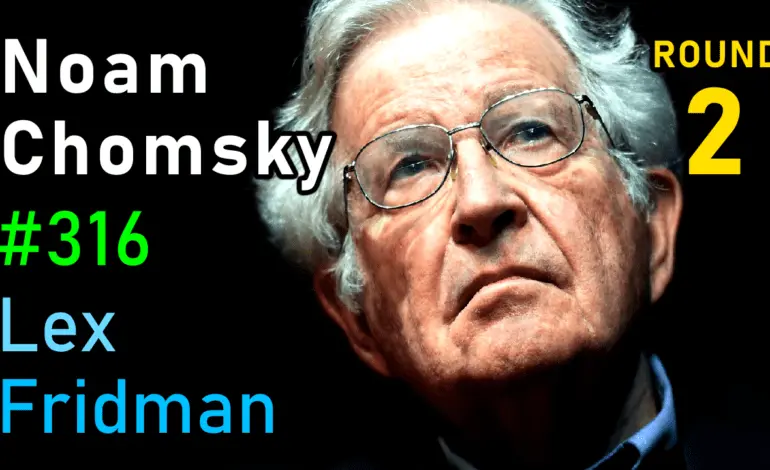
Introduction to Noam Chomsky
Noam Chomsky, a prominent figure in linguistics and political activism, has profoundly influenced both fields for over half a century. Born on December 7, 1928, in Philadelphia, Pennsylvania, Chomsky’s work has not only reshaped our understanding of language but has also stirred political debates worldwide. As the father of modern linguistics, his theories have opened new avenues in cognitive science while his activism has championed numerous social justice causes.
Chomsky’s Contributions to Linguistics
Chomsky introduced the concept of generative grammar, which revolutionized the study of language. His seminal work, “Syntactic Structures” published in 1957, painted a clear picture of how humans comprehend and produce language. Chomsky’s theory posits that the ability to acquire language is innate to humans, contradicting the behaviorist view of language learning as a product of conditioning. This shift has led to extensive research in linguistics, psychology, and cognitive science, solidifying his status as a leading intellectual in these disciplines.
Political Activism and Its Impact
While Chomsky’s linguistic work garners significant attention, his political activism has also defined his career. A critical voice against U.S. foreign policy, particularly during the Vietnam War, Chomsky has written extensively on propaganda, media, and corporate power. His book “Manufacturing Consent,” co-authored with Edward S. Herman, analyzes how media serve the interests of elite powers. His advocacy for social justice reflects his commitment to challenging systemic inequality, making him a respected figure among activists worldwide.
Recent Developments
As of 2023, Chomsky continues to produce work that resonates globally. He remains a critic of contemporary political trends, including authoritarianism and corporate influence in democracies. His ability to articulate complex ideas in an accessible manner ensures that his voice remains relevant among new generations of scholars and activists. Recently, he contributed to discussions surrounding climate change, emphasizing the moral imperative for immediate action to safeguard future generations.
Conclusion: The Ongoing Relevance of Noam Chomsky
The significance of Noam Chomsky’s contributions cannot be overstated. In linguistics, his theories continue to inform and inspire new research frameworks. Politically, his emphasis on critical thought over complacency encourages ongoing discourse about justice and accountability. As we move forward in a rapidly changing global environment, Chomsky’s insights remain crucial, engaging readers to critically analyze both language and the socio-political structures that shape our world.