The Life and Legacy of Paul Robeson
Introduction
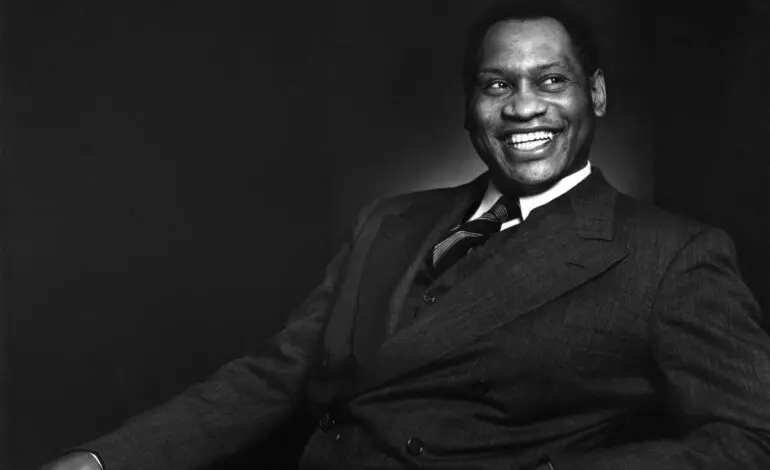
Paul Robeson was a remarkable figure in American history, known for his extraordinary talents as a singer, actor, and activist. His contributions to the arts and civil rights have left an indelible mark on both fields and serve as a reminder of the intersection between artistry and social justice. Understanding Robeson’s legacy is crucial as it reflects the ongoing struggle for equality and the power of cultural expression.
Life and Career
Born on April 9, 1898, in Princeton, New Jersey, Paul Robeson was the son of a formerly enslaved man and a schoolteacher. He excelled academically, attending Rutgers University, where he became an All-American football player. After graduation, Robeson pursued a career in law but soon found his true passion in the performing arts.
Robeson’s breakthrough came with his role in the 1928 Broadway production of Othello, which showcased his powerful voice and dramatic presence. He went on to achieve international acclaim as a singer, particularly known for his rendition of folk songs from the African Diaspora and spirituals. His album Paul Robeson Sings remains a testament to his artistry, with powerful tracks like “Ol’ Man River” resonating across generations.
Activism and Political Involvement
In addition to his artistic contributions, Robeson was a passionate advocate for civil rights and social justice. He used his platform to speak out against racial discrimination and oppression of African Americans. His activism extended globally, and he was a vocal opponent of colonialism and imperialism.
Robeson’s political stance often put him at odds with the American government, particularly during the Red Scare when his affiliations with leftist groups made him a target. He was barred from performing in the United States, leading to a significant impact on his mental health and public reputation. However, Robeson’s commitment to his principles and unwavering support for global human rights remained unwavering throughout his life.
Legacy
Paul Robeson passed away on January 23, 1976, but his legacy continues to inspire generations. In recent years, there has been a resurgence of interest in Robeson’s life and work. Schools, universities, and cultural institutions are revisiting his contributions to both the arts and civil rights as part of a broader exploration of America’s complex racial history.
As we examine Paul Robeson’s multifaceted legacy, it is essential to acknowledge not only his triumphs but also the challenges he faced. Robeson’s life serves as a poignant reminder of the role that artists play in advocating for social change and the ongoing fight for equality. Historians and advocates continue to draw lessons from his life, ensuring that his contributions are not forgotten.
Conclusion
Paul Robeson remains a significant figure in American history, emblematic of the struggle for civil rights and the transformative power of art. His story continues to resonate, serving as an inspiration for future generations to leverage their voices and talents in the pursuit of justice and equality. In a world where these issues persist, Robeson’s legacy is more relevant than ever.